English
 简体中文
简体中文 لالعربية
Products Description
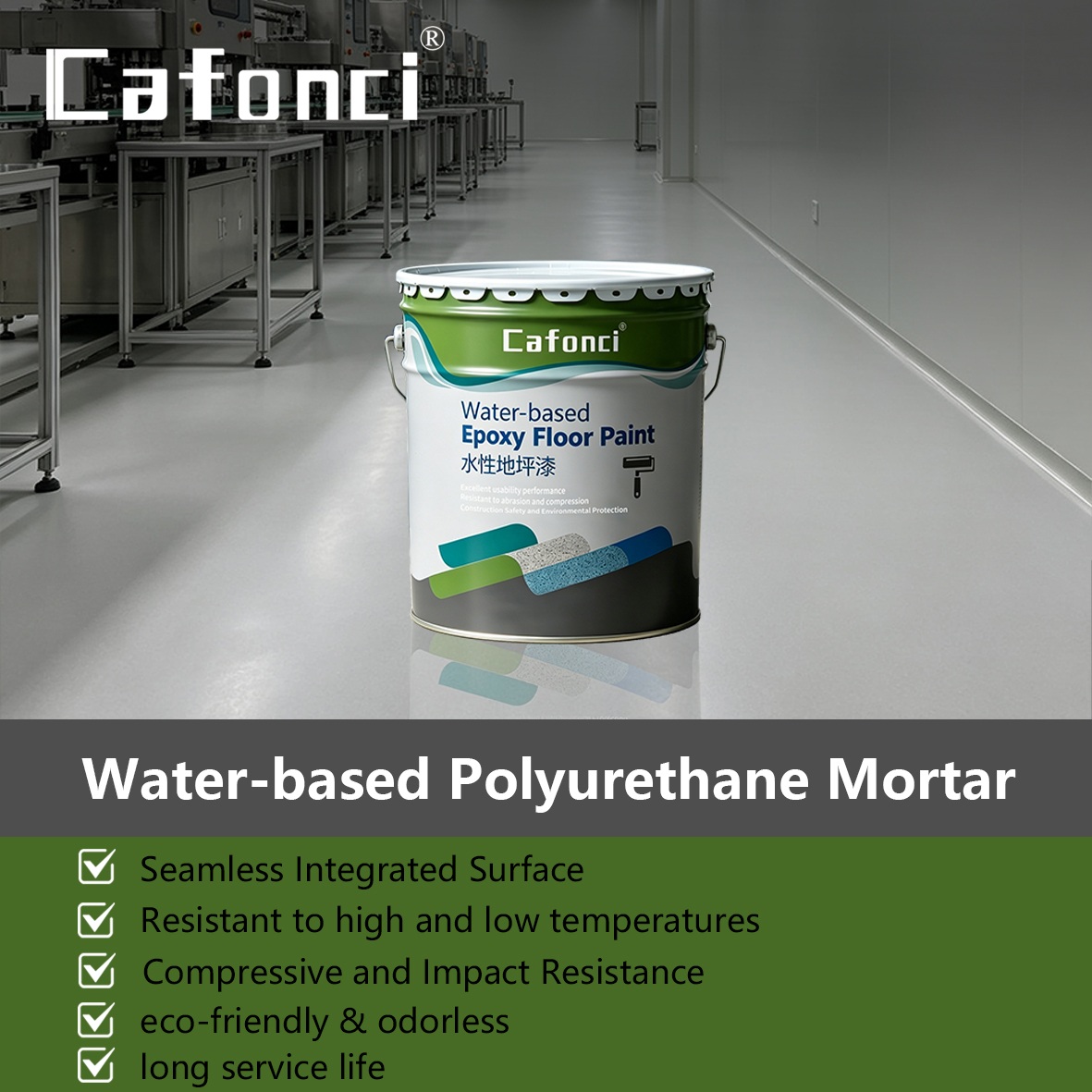
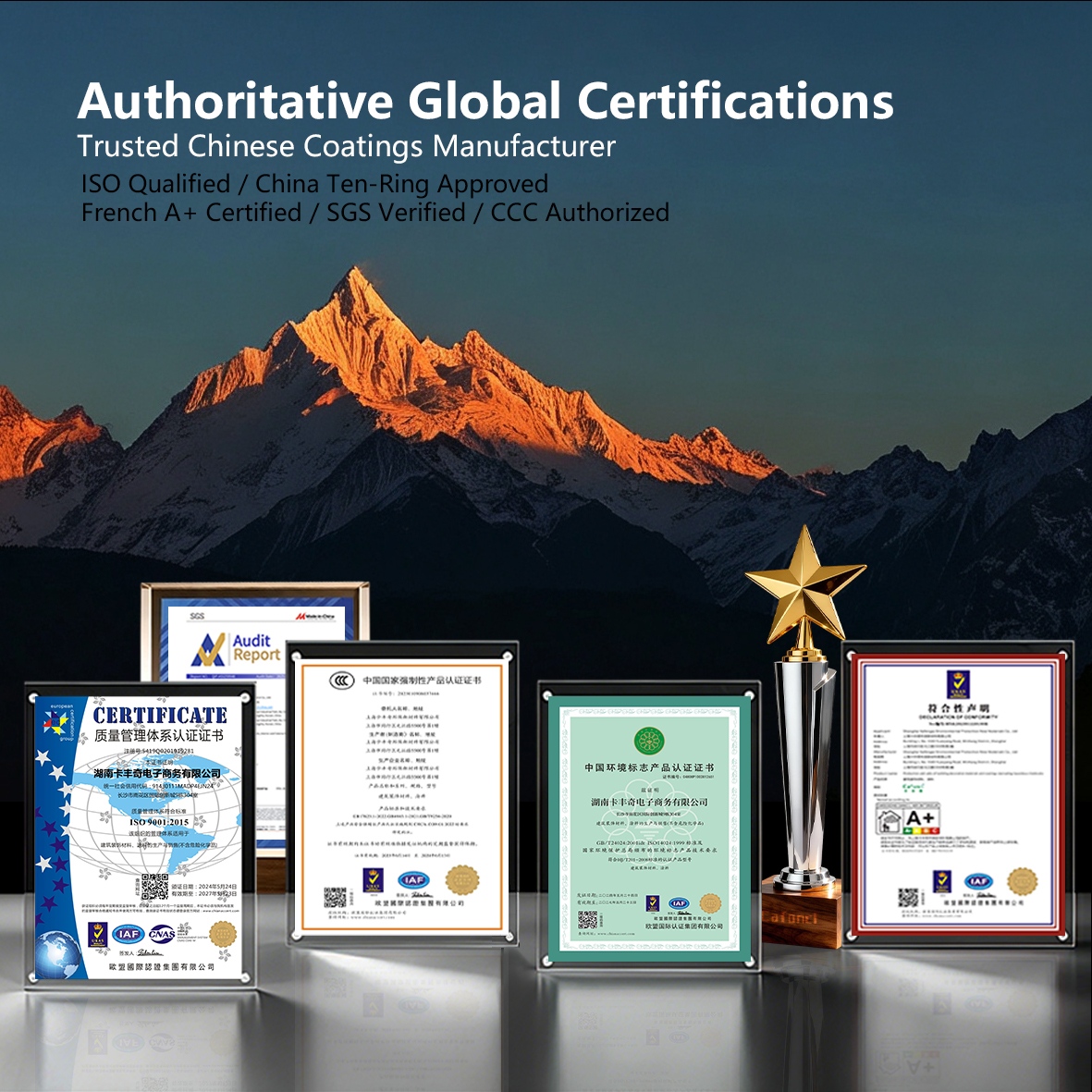
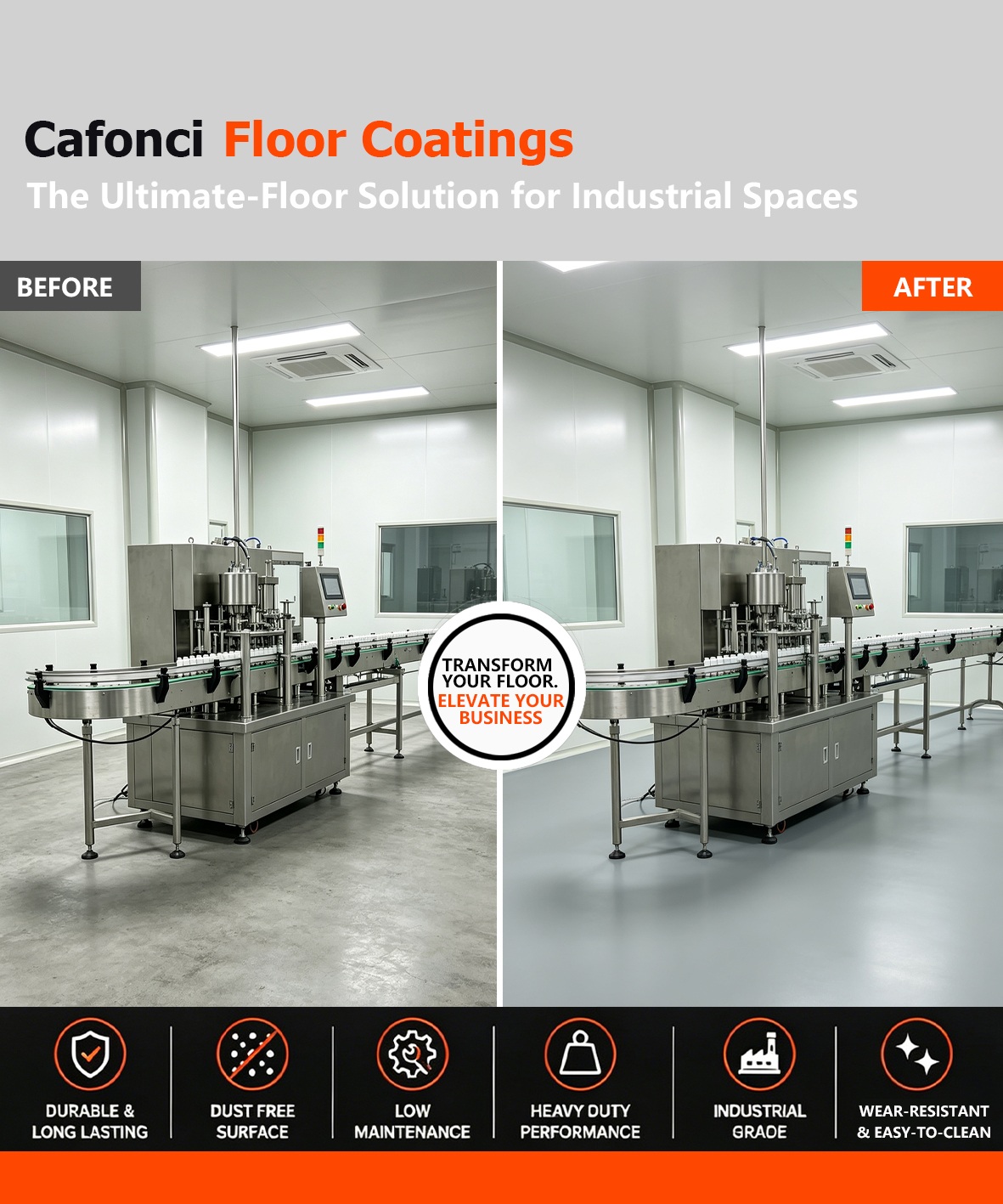
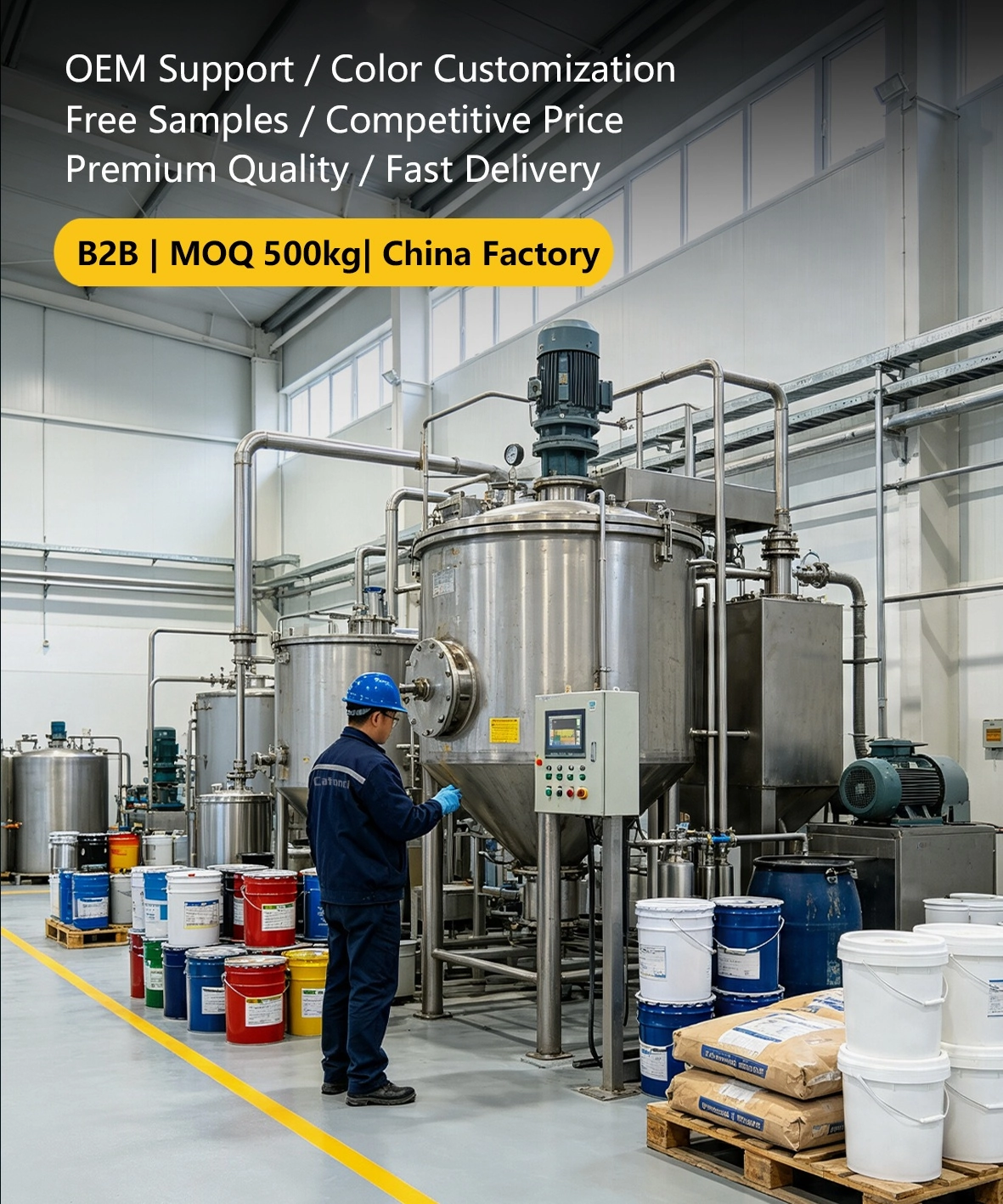
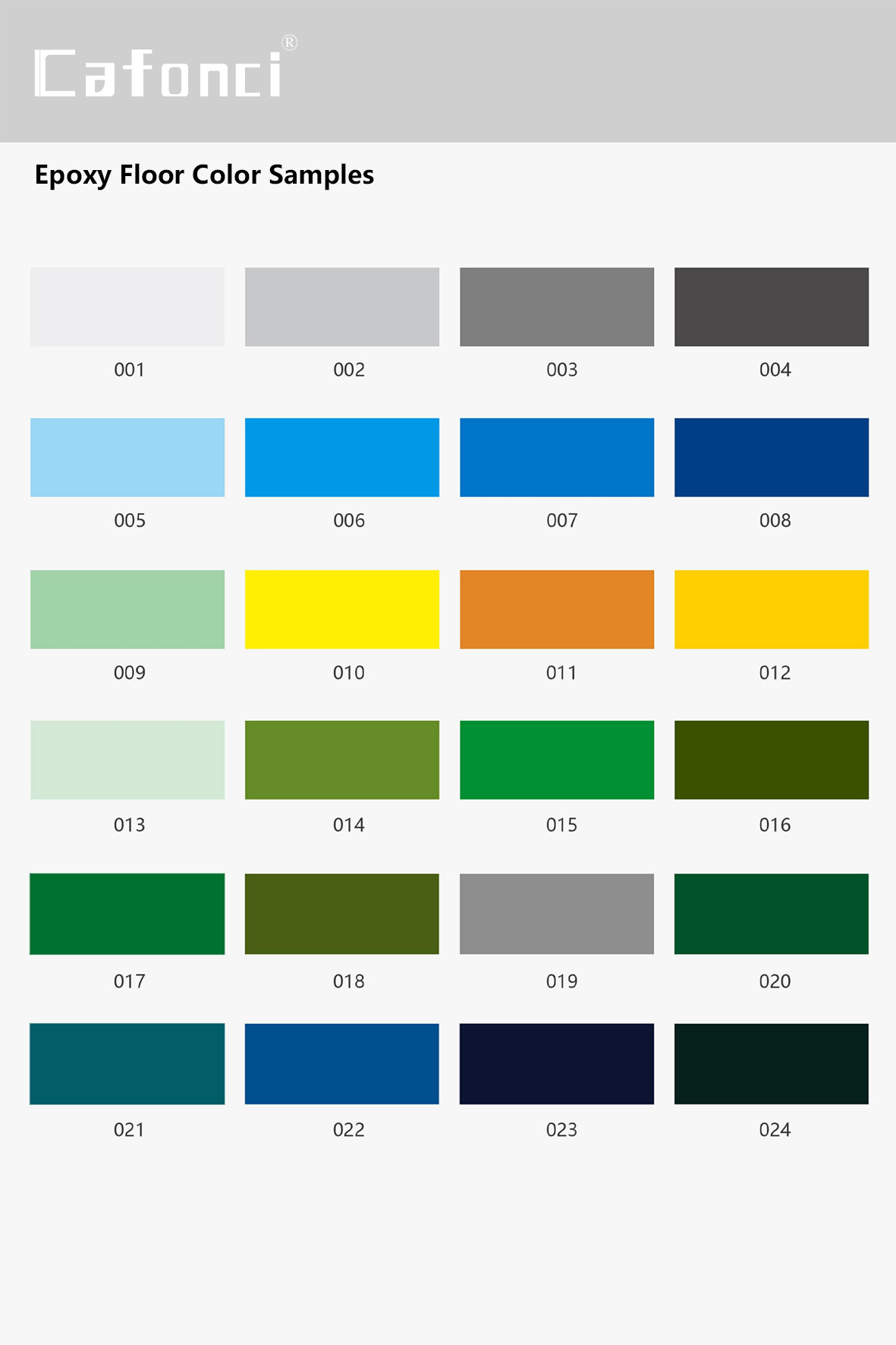


Cafonci هاون البولي يوريثين القائم على الماء
Cafonci هاون البولي يوريثين القائم على الماء
Cafonci هاون البولي يوريثين القائم على الماء
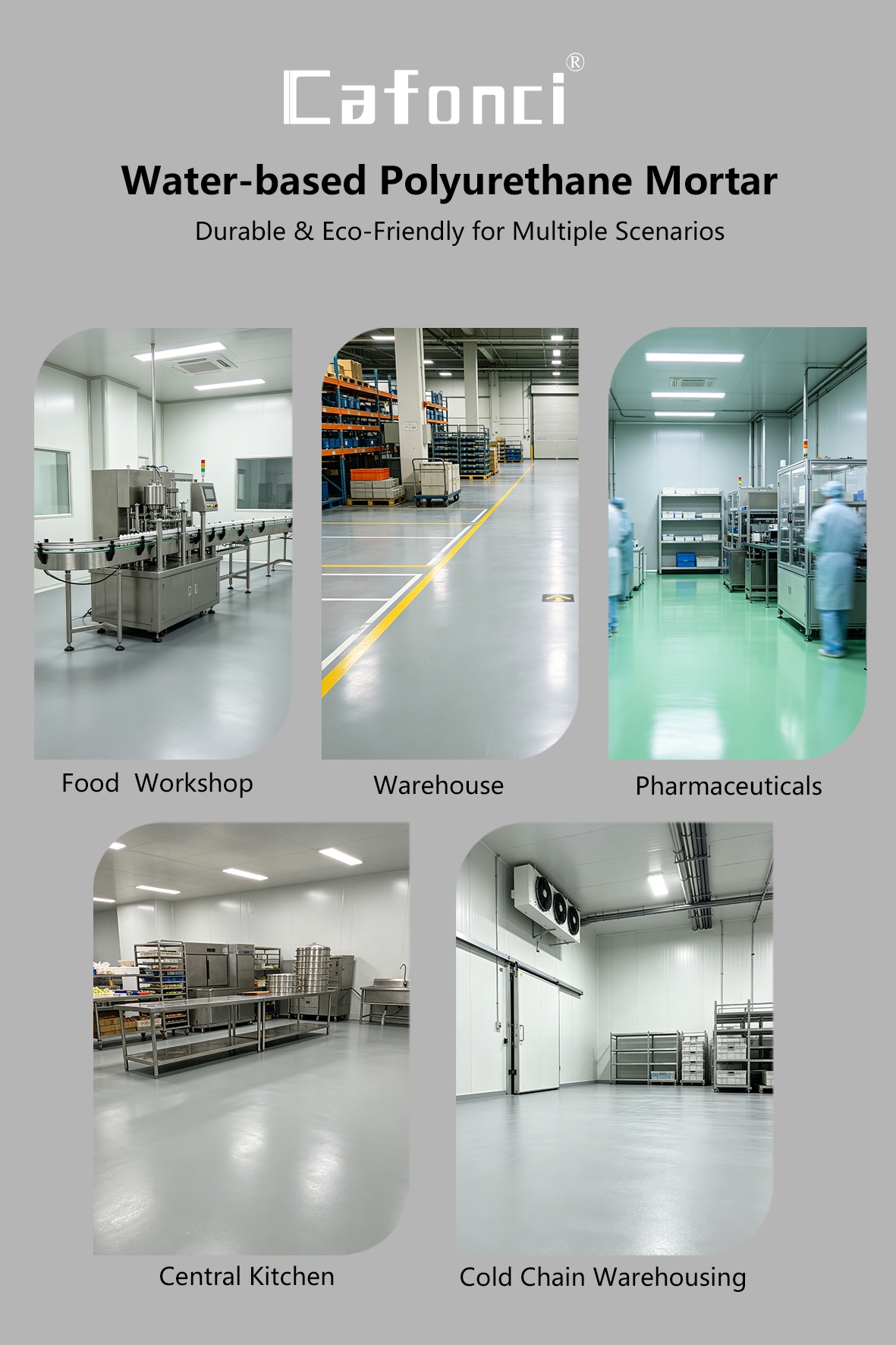
cafonci products are widely used in residential areas, property, real estate, transportation facilities, schools, shopping malls, streets, hotels, parking lots, factory , pharmaceutical company and other places
What are the main advantages of water-based epoxy self-leveling floors?
What are the main advantages of water-based epoxy self-leveling floors?
Key advantages include: low odor and low VOC (safer for indoor use), excellent self-leveling for a smooth finish, high hardness and abrasion resistance, good chemical and stain resistance, strong adhesion to concrete, easy water cleanup, seamless and hygienic surface, and suitability for both light and medium-duty industrial/commercial floors.
Where can water-based epoxy self-leveling be used?
Where can water-based epoxy self-leveling be used?
It is commonly used for warehouse floors, factory floors, garage floors, clean rooms, hospitals, laboratories, food processing areas, commercial kitchens, parking areas, showrooms and other indoor concrete floors requiring durability, cleanliness and a smooth appearance.
Is water-based epoxy self-leveling more eco-friendly than solvent-based epoxy?
Is water-based epoxy self-leveling more eco-friendly than solvent-based epoxy?
Yes. Water-based systems have significantly lower VOC content, lower odor, non-flammable characteristics and easier cleanup with water. They are safer for applicators and indoor environments while still delivering strong epoxy performance.
How durable is a water-based epoxy self-leveling floor?
How durable is a water-based epoxy self-leveling floor?
When properly applied, it provides high compressive strength, excellent abrasion and impact resistance, and good chemical resistance. Service life typically ranges from 5–10 years or longer under normal industrial or commercial use, depending on traffic load, maintenance and thickness.
Can water-based epoxy self-leveling be applied on damp concrete?
Can water-based epoxy self-leveling be applied on damp concrete?
Some water-based epoxy systems tolerate slightly damp concrete better than solvent-based ones, but the substrate should generally be dry (moisture content usually
How do I prepare the concrete floor for water-based epoxy self-leveling?
How do I prepare the concrete floor for water-based epoxy self-leveling?
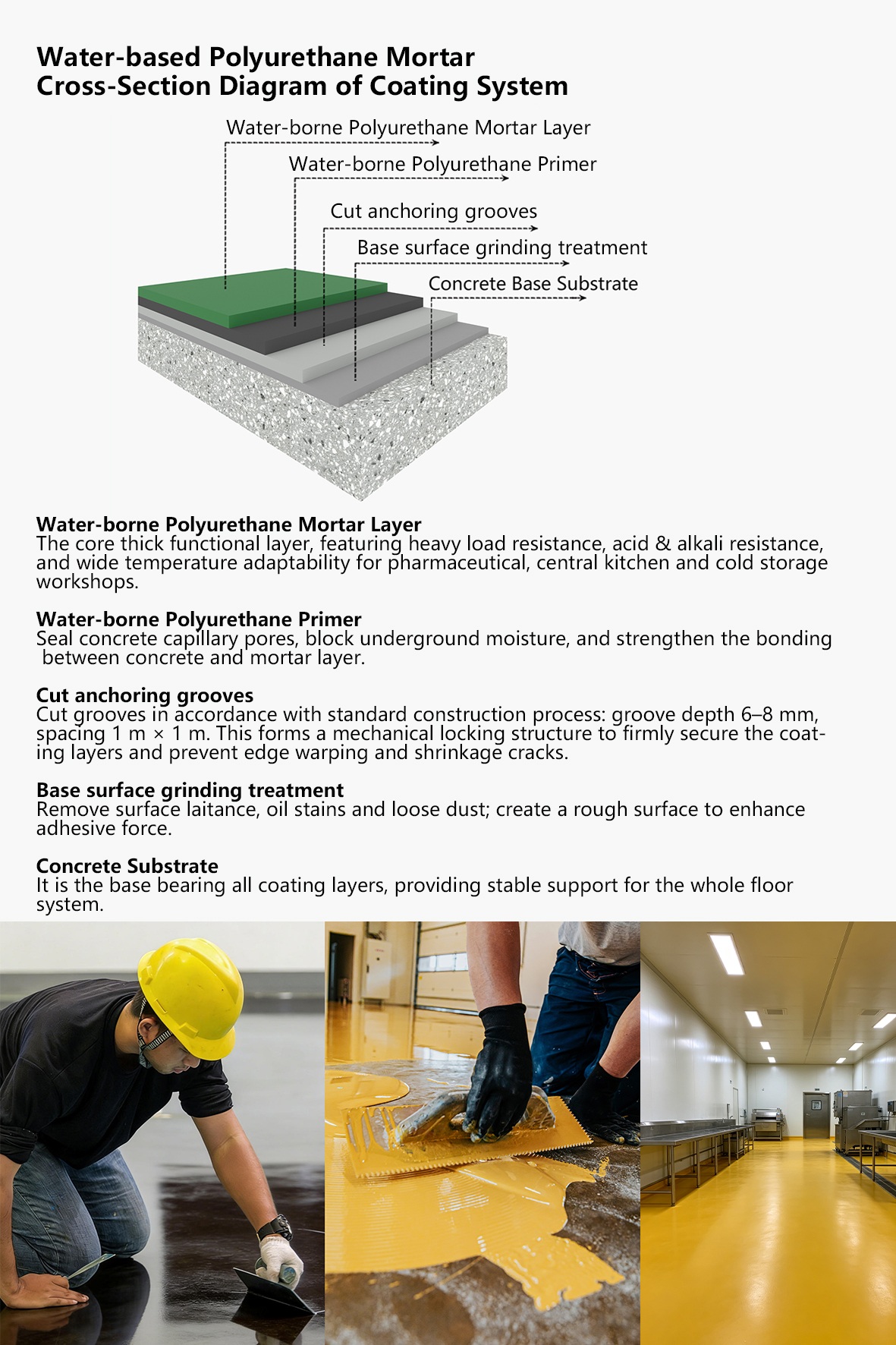
Thoroughly clean the floor to remove oil, grease, dirt and contaminants. Mechanically prepare the surface by diamond grinding or shot blasting to achieve a proper profile (CSP 2–4 typical). Repair cracks and holes. Ensure the concrete is sound, cured (usually ≥28 days), and within recommended moisture and temperature limits. Vacuum thoroughly.
What is the step-by-step application process for water-based epoxy self-leveling?
What is the step-by-step application process for water-based epoxy self-leveling?
1. Apply a suitable water-based epoxy primer and allow it to dry. 2. Mix the base and hardener thoroughly according to the ratio (often add water if specified). 3. Pour the mixed material onto the floor and spread with a notched trowel or squeegee. 4. Use a spiked roller to release air bubbles and help leveling. 5. Allow proper curing time between coats if multi-layer. 6. Protect the floor until full cure.
How thick should water-based epoxy self-leveling be applied and what is the coverage?
How thick should water-based epoxy self-leveling be applied and what is the coverage?
Typical self-leveling thickness is 1–3 mm (sometimes up to 5 mm for heavier systems). Coverage depends on thickness—approximately 1.5–4 kg/m² or more. Follow the product data sheet for exact consumption rates based on desired dry film thickness.
How long before I can walk on or use a water-based epoxy self-leveling floor?
How long before I can walk on or use a water-based epoxy self-leveling floor?
Foot traffic is usually possible after 24–48 hours. Light vehicle or equipment traffic after 3–7 days. Full chemical and mechanical resistance is typically reached in 7 days or longer, depending on temperature and humidity. Avoid heavy loads and chemicals during curing.
What temperature and humidity conditions are required for applying water-based epoxy self-leveling?
What temperature and humidity conditions are required for applying water-based epoxy self-leveling?
Ideal application temperature is usually 10–30°C (best 15–25°C). Relative humidity should generally be below 80–85%. Substrate temperature should be at least 3°C above dew point. Avoid application in cold, damp or poorly ventilated conditions.
Is water-based epoxy self-leveling suitable for DIY or only professional use?
Is water-based epoxy self-leveling suitable for DIY or only professional use?
Basic water-based epoxy floor coatings can be applied by experienced DIYers for garages or small areas, but true self-leveling systems (especially thicker ones) require proper surface preparation, mixing and tools (notched trowel, spiked roller). Professional application is recommended for large or high-performance industrial floors.