English
 简体中文
简体中文
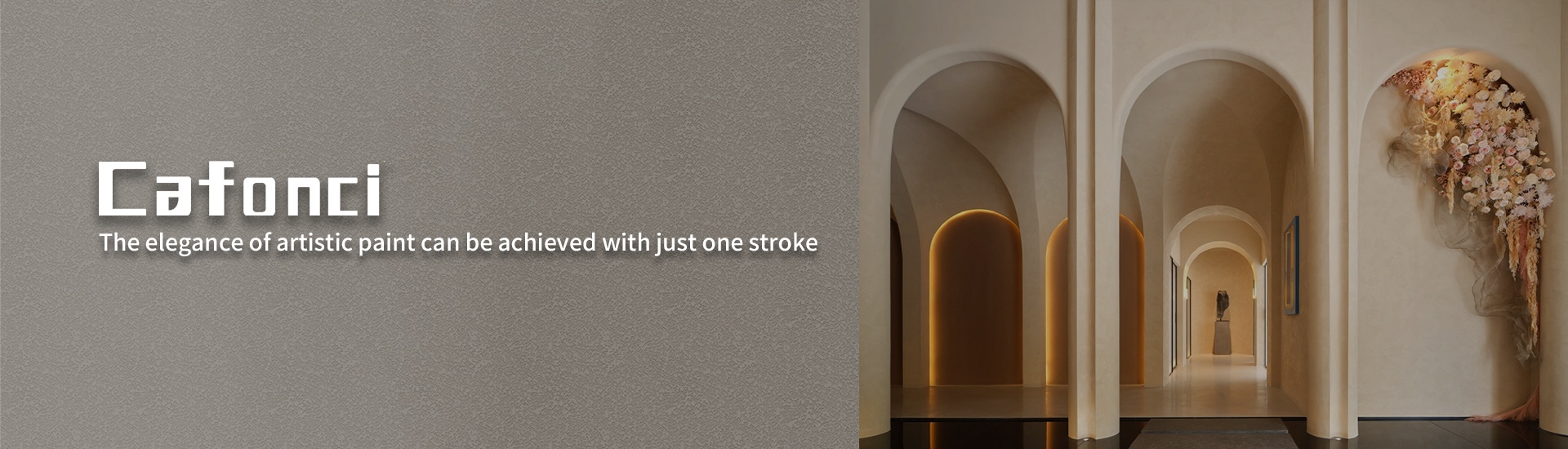
.jpg "Art Paint’s Forgotten History: The Surprising Reason It’s Becoming the Most Sought-After Decor Item(图1)")
Walk into any design-forward home today, and you’re likely to spot it: walls with depth—matte textures that mimic aged plaster, rich hues that seem to glow from within, or subtle patterns that look hand-painted (because they are). Art paint, once a staple of ancient civilizations and medieval craftsmen, has quietly reemerged as the most coveted decor item of 2024. But few people know its forgotten history—or why its return feels so urgent.
Let’s rewind 5,000 years. The first art paints weren’t sold in hardware stores; they were dug from the earth. Ancient Egyptians ground malachite (for green) and ochre (for red) into pigments, mixing them with egg yolk or beeswax to decorate pyramids and tombs. The Greeks used frescoes—pigments mixed with wet plaster—to cover temple walls, their colors preserved for millennia. In the Middle Ages, monks spent years grinding lapis lazuli (a rare stone from Afghanistan) into ultramarine, a vivid blue so expensive it was worth more than gold. This wasn’t “paint” as we know it; it was a labor of love, a connection to the earth, and a way to make buildings feel alive.
Then the Industrial Revolution happened. By the 19th century, chemical pigments replaced natural ones. Paint became cheap, mass-produced, and boring.乳胶漆 (latex paint) took over, promising easy application and uniform color. Art paint—with its messy mixing, long drying times, and handcrafted imperfection—fell out of favor. It was seen as outdated, a relic of a slower world.
Fast forward to today, and something strange is happening: People are *craving* that slowness. Young homeowners, tired of cookie-cutter walls and toxic VOCs (volatile organic compounds), are turning back to art paint. Why? Let’s break down the surprising reasons.
First: It’s eco-friendly. Modern art paint isn’t the chemical-laden stuff of the 20th century. Most artisans now use natural binders (like linseed oil or plant resins) and mineral pigments (ochre, talc, clay) that are non-toxic and biodegradable. No harsh fumes, no off-gassing—just materials that work with the earth, not against it.
Second: It’s *personal*. In a world of fast furniture and generic decor, art paint lets you tell a story. Want a living room wall that looks like a 17th-century Tuscan villa? Layer terracotta pigment with beeswax, then sand the edges for a worn, sun-kissed effect. Dream of a bedroom that feels like a forest at dusk? Mix deep green mineral pigment with linen fibers for a texture that’s soft, tactile, and *unique*. Every brushstroke is human—no two walls are ever the same.
Third: It’s a bridge to the past. When you use art paint, you’re not just decorating—you’re reviving a tradition. The same techniques that monks used to illuminate manuscripts? They’re now used to create kitchen backsplashes. The pigments that Egyptians used to honor pharaohs? They’re on modern accent walls. This isn’t nostalgia; it’s a rejection of disposability. Art paint lasts for decades—sometimes centuries. It ages gracefully, developing a patina that tells the story of your home.
Take Sarah, a Chicago designer who recently used art paint in a client’s dining room. She mixed burnt sienna pigment with lime wash, then dragged a brush across the wet surface to mimic the grain of old wood. “The client cried when she saw it,” Sarah says. “It reminded her of her grandmother’s cottage in Tuscany. That’s the magic of art paint—it’s not just color. It’s memory.”
Or consider the rise of “historical replication” paints. Companies like Farrow & Ball and Little Greene now sell pigments matched to 18th-century Georgian homes or 1920s Art Deco apartments. People aren’t just buying paint—they’re buying a piece of history. A way to connect their modern lives to something bigger, older, more meaningful.
The irony? Art paint was never really “forgotten.” It was just overshadowed by faster, cheaper options. But as people grow tired of disposable decor, as they crave authenticity and sustainability, art paint is stepping back into the light. It’s not a trend—it’s a return to what matters: craftsmanship, connection, and beauty that lasts.
Next time you walk into a home with art-painted walls, take a moment to touch the surface. Feel the texture—the slight unevenness, the way the light plays off the pigment. That’s history under your fingers. That’s the reason art paint is now the most sought-after decor item: It’s not just paint. It’s a story. And in a world of noise, stories are what we crave most.
So the next time you’re redecorating, ask yourself: Do I want walls that are just “nice”? Or do I want walls that have a soul? Art paint isn’t for everyone. It’s for people who want their homes to feel like *them*—imperfect, unique, and full of life. And in a world that’s always changing, that’s the most timeless decor of all.