English
 简体中文
简体中文
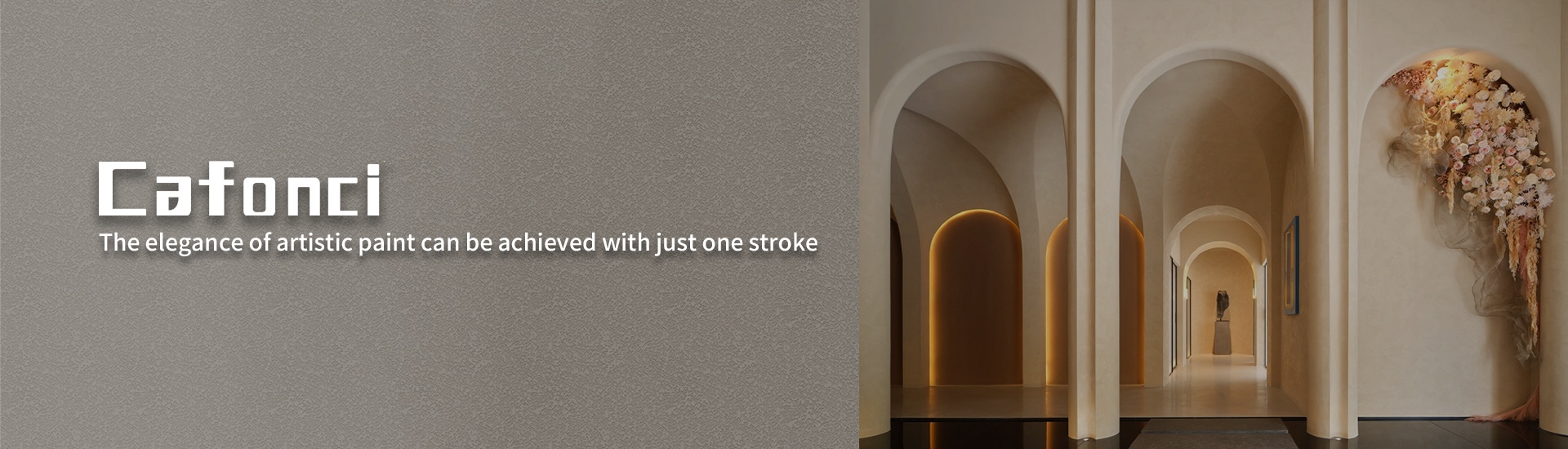
External textured wall finishes are a versatile and impactful design element that transforms the exterior of buildings, blending visual appeal with functional resilience. Unlike smooth wall surfaces, these finishes introduce depth, texture, and character, making them a popular choice for both residential and commercial structures. But beyond aesthetics, they serve as a protective layer, shielding walls from weathering, moisture, and daily wear—key factors in extending a building’s lifespan.
#Understanding External Textured Wall Finishes
At its core, an external textured wall finish refers to any coating or cladding applied to exterior walls that creates a tactile, non-smooth surface. These finishes are available in a wide range of textures, from subtle grainy patterns to bold, three-dimensional designs, allowing architects and homeowners to align the exterior with the building’s overall style—whether modern, rustic, industrial, or traditional.
#Common Types of External Textured Wall Materials
The choice of material plays a pivotal role in determining the texture, durability, and cost of the finish. Here are the most widely used options:
- Stucco: A classic choice, stucco is a mixture of cement, sand, and lime (or acrylic for modern variants). It can be applied in smooth, rough, or patterned textures (e.g., dash, lace, or scraped finishes) and is prized for its weather resistance and longevity, making it ideal for diverse climates.
- Textured Render: Similar to stucco but often more flexible, textured render is a cement-based or acrylic coating applied in layers. It offers细腻 (细腻) to coarse textures and is popular for its ability to mimic natural materials like stone or brick at a lower cost.
- Textured Paint: The most budget-friendly option, textured paint contains additives (e.g., sand, silica, or polymers) that create texture when applied. It’s easy to apply and comes in various colors, making it suitable for quick exterior upgrades.
- Stone Cladding: For a luxurious, natural look, stone cladding uses thin slices of natural stone (e.g., granite, limestone, or slate) attached to exterior walls. It adds depth and texture while offering exceptional durability, though it tends to be higher in cost.
- Brick Slips: These are thin brick veneers that replicate the texture of traditional brick walls. They’re lightweight, easy to install, and blend well with both historic and modern architecture.
#Design Styles: Matching Texture to Architecture
External textured wall finishes are not just about texture—they’re about storytelling. The right texture can amplify a building’s design language:
- Modern Minimalism: Clean lines and subtle textures dominate here. Smooth stucco or fine-grained textured render in neutral tones (white, gray, beige) create a sleek, uncluttered look, complementing large windows and flat roofs.
- Rustic Charm: Coarse textures take center stage for rustic or farmhouse styles. Rough-hewn stone cladding, thick stucco with a “roughcast” finish, or brick slips with visible mortar lines evoke warmth and a connection to nature.
- Industrial Edge: Exposed concrete textures, metal-panel accents, or render with a “sanded” finish add an urban, edgy vibe. These textures pair well with bold colors (black, charcoal) and metal fixtures for an industrial aesthetic.
- Coastal Cool: Light, airy textures thrive in coastal settings. Whitewashed stucco with a subtle “troweled” texture or shell-infused render reflects sunlight, keeping interiors cool, while soft blues or pastels enhance the beachy feel.
#Functional Benefits: Beyond Aesthetics
While visual appeal is a key driver, external textured wall finishes offer practical advantages that make them a smart investment:
- Durability: High-quality textured finishes (e.g., stucco, stone cladding) are resistant to harsh weather—rain, snow, UV rays, and temperature fluctuations. They prevent cracks, peeling, and fading, ensuring the exterior looks fresh for decades.
- Waterproofing & Mold Resistance: Many textured materials, such as acrylic-based render or sealed stone cladding, repel moisture. This prevents water seepage, which can lead to mold growth, rot, or structural damage—critical for homes in humid or rainy regions.
- Insulation & Energy Efficiency: Textured finishes with porous or layered structures (e.g., insulated render systems) act as thermal barriers. They reduce heat transfer, keeping interiors warmer in winter and cooler in summer, lowering energy bills for heating and cooling.
- Sound Insulation: The thickness and density of some textured materials (stone cladding, thick stucco) absorb external noise, making them ideal for buildings near busy roads, airports, or urban areas. This improves indoor comfort and privacy.
#Installation & Maintenance: Ensuring Longevity
To maximize the benefits of external textured wall finishes, proper installation and maintenance are essential:
- Professional Installation: While textured paint may be a DIY project, materials like stucco, stone cladding, or render require skilled craftsmanship. Improper application (e.g., uneven mixing, poor adhesion) can lead to cracks, bubbling, or water damage. Hiring a licensed contractor ensures the finish is applied correctly, adhering to local building codes.
- Regular Maintenance: Fortunately, most textured finishes are low-maintenance:
- Cleaning: Rinse walls annually with a garden hose or soft brush to remove dirt, dust, and mildew. Avoid harsh chemicals that may damage the texture.
- Inspection: Check for small cracks, chips, or peeling at least twice a year (before and after extreme weather). Repair minor issues promptly with matching patching material to prevent further damage.
- Sealing: For porous materials like natural stone or brick slips, reapply a waterproof sealant every 3–5 years to maintain water resistance.
#Choosing the Right Finish: Key Considerations
Selecting the perfect external textured wall finish depends on several factors:
- Climate: In hot, dry climates, breathable materials (e.g., lime-based stucco) prevent moisture buildup. In cold regions, insulated render systems offer better thermal protection. Coastal areas may require salt-resistant finishes (e.g., fiber-reinforced stucco) to combat corrosion.
- Building Style: The texture should harmonize with the architecture. A historic cottage would clash with ultra-modern metal cladding, just as a sleek high-rise would feel out of place with rough stone cladding.
- Budget: Textured paint is the most affordable option, while stone cladding or custom stucco designs are higher in cost. Balance aesthetics with practicality—invest in durable materials for high-traffic or weather-exposed areas.
- Sustainability: For eco-conscious homeowners, opt for natural, locally sourced materials (stone, clay-based render) or low-VOC textured paints to reduce environmental impact.
#Conclusion
External textured wall finishes are a powerful tool for transforming exteriors—they merge artistry with functionality, turning ordinary walls into statements of style while protecting buildings from the elements. Whether you’re renovating a home or designing a new structure, the right texture can elevate aesthetics, enhance durability, and improve energy efficiency. By understanding the types, styles, and benefits, you can choose a finish that not only looks stunning but also stands the test of time.