English
 简体中文
简体中文
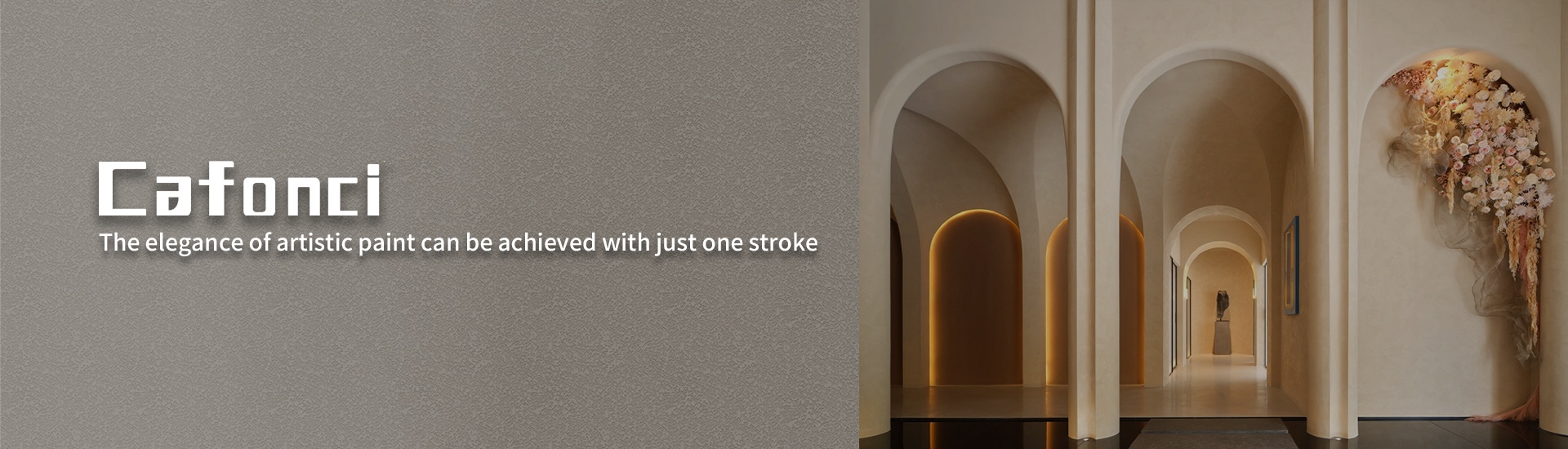
.jpg "Epoxy Paint Mysteries: Why It Became a Game-Changer in Modern Design(图1)")
[In the world of modern design, epoxy paint has emerged as a transformative force, redefining aesthetics and functionality. Known for its exceptional durability and striking finish, epoxy paint is not just a protective layer but a dynamic design element that enhances both residential and commercial spaces.
The primary allure of epoxy paint lies in its robust chemical composition. Unlike traditional paints, epoxy is a two-part system consisting of resin and hardener. This combination creates a chemical bond that results in a tough, resilient surface capable of withstanding heavy foot traffic, abrasion, and chemical exposure. This durability makes it an ideal choice for high-traffic areas such as garages, warehouses, and industrial settings, where flooring needs to endure significant wear and tear.
But the applicability of epoxy paint extends far beyond its functional advantages. Its aesthetic potential has captured the attention of designers worldwide. Available in a wide range of colors and finishes, including metallic and pearlescent effects, epoxy paint offers endless possibilities for creative expression. Its glossy, seamless finish can transform bland surfaces into captivating focal points, adding depth and dimension to any interior space.
In modern design, where minimalism and clean lines are prized, epoxy floors provide a sleek, contemporary look that complements various styles, from industrial chic to luxurious sophistication. The reflective surface of epoxy can enhance natural light, creating brighter, more inviting environments. Additionally, epoxy can be used to create dramatic effects such as faux marble or terrazzo, offering a cost-effective alternative to expensive natural materials without compromising on beauty or quality.
Moreover, epoxy paint’s versatility extends to vertical surfaces and countertops, further broadening its application scope. In kitchens and bathrooms, epoxy-coated counters offer a non-porous, hygienic surface that resists stains and moisture penetration, crucial for maintaining cleanliness and longevity. Its ability to adhere to different substrates, including concrete, wood, and metal, makes it a versatile solution for various design challenges.
Another key factor contributing to epoxy's popularity is its environmental benefits. Many epoxy coatings are formulated to be low in volatile organic compounds (VOCs), reducing the environmental impact associated with painting. This eco-friendly aspect aligns with the growing demand for sustainable building materials, making epoxy an attractive option for environmentally conscious projects.
As a game-changer in modern design, epoxy paint has not only expanded the creative horizons for architects and designers but also offered practical benefits that align with the evolving needs of today’s spaces. Whether revitalizing old floors or crafting ultra-modern interiors, epoxy continues to inspire innovation and redefine what is possible in design.