English
 简体中文
简体中文
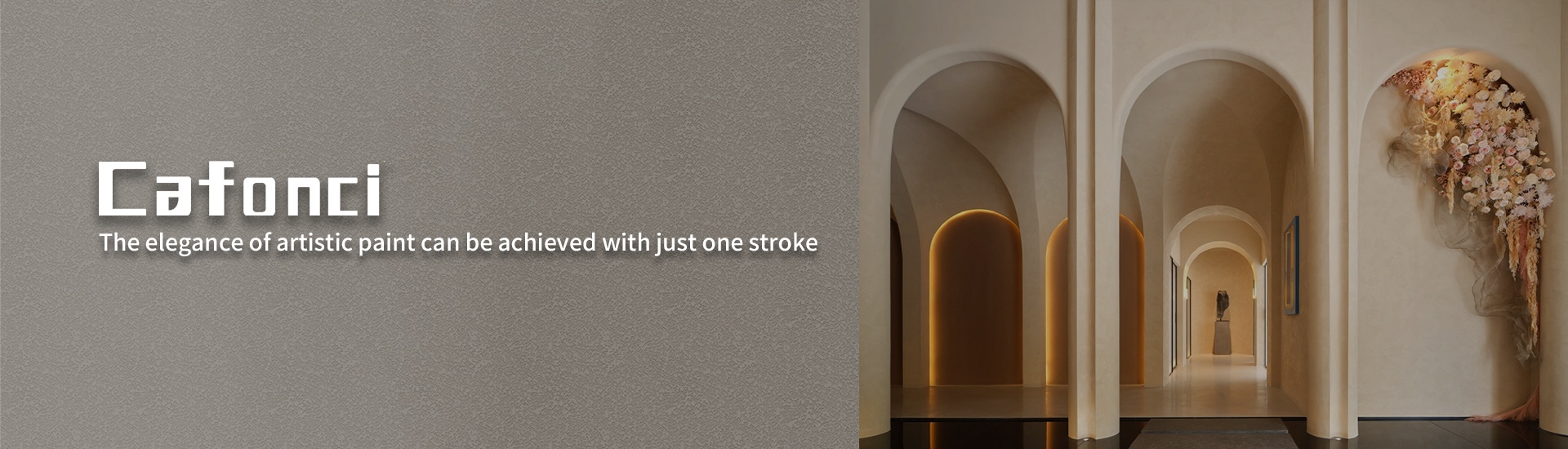
In the world of interior paint, glossy and satin finishes have long dominated conversations—their shine feels modern, their scrubbability reassuring. But lately, a quieter contender has been stealing the show: matte interior paint. This velvety, non-reflective finish, once dismissed as “too flat” or “hard to clean,” is now celebrated for its ability to blend functionality with timeless warmth—and it’s transforming homes in ways no glossy paint ever could.
Let’s start with its superpower: hiding imperfections. Unlike glossy finishes, which act like mini-mirrors reflecting every scratch, dent, or uneven texture, matte paint absorbs light instead of bouncing it back. That means old walls with subtle cracks, new drywall with minor flaws, or even the inevitable dents from moving furniture disappear into its soft surface. For homeowners dealing with less-than-perfect walls (and let’s be real—who isn’t?), this is a game-changer. A coat of matte paint can turn a dated, bumpy wall into a smooth, sophisticated canvas without the need for expensive drywall repairs.
But matte’s magic goes beyond camouflage. It’s about mood. Glossy paint can feel cold or clinical, like a showroom; matte paint feels like a hug. Its low-sheen surface softens light, creating a warm, inviting glow that makes rooms feel cozier and more intimate. Think about your bedroom: a matte sage green wall doesn’t glare when you’re reading in bed, and a matte oatmeal ceiling feels softer than a glossy white one. In living rooms, matte neutrals (like warm gray or soft beige) let furniture and decor take center stage—no competing reflections, just a calm backdrop that ties everything together. Even accent walls benefit: a deep matte navy or forest green adds drama without overwhelming the space, thanks to its muted finish.
Versatility is another win. Matte paint plays well with every design style. Modern minimalists love its clean, understated look—pair a matte white wall with sleek furniture and you get that “less is more” vibe. Bohemian homes use matte earth tones (terracotta, olive) to enhance their cozy, layered feel. Even traditional spaces benefit: a matte cream wall with wainscoting feels classic but not stuffy, while a matte black accent wall adds edge to a colonial-style room.
But wait—what about cleaning? For years, matte paint’s biggest drawback was its reputation for being “high-maintenance.” Early formulas were porous, making stains hard to remove without lifting the paint. But today’s matte paints are a different story. Most premium brands offer “washable matte” or “matte with durability” options, which have a protective coating that resists stains and scuffs. You can wipe away coffee splatters in the kitchen, crayon marks in the playroom, or handprints in the hallway with a damp cloth—no harsh chemicals needed. (Pro tip: Avoid using abrasive sponges, which can damage the finish, but a soft microfiber cloth works wonders.)
Where should you use matte paint? Almost anywhere—except high-moisture areas like showers or tub surrounds (stick to semi-gloss there). Bedrooms, living rooms, dining rooms, hallways, and even kitchens (yes, kitchens!) are all fair game. For kitchens, use a washable matte on the walls—since backsplashes take the brunt of splatters, your walls will stay cleaner than you think. In hallways, matte’s ability to hide scuffs from backpacks or pet claws is a lifesaver. And in foyers, where walls get bumped by bags or shoes, a durable matte finish holds up beautifully.
Color choice matters, too. Neutral matte shades (white, gray, beige) are perfect for “forever walls”—they’re timeless, easy to decorate around, and make small spaces feel larger. Deep matte hues (navy, emerald, charcoal) are ideal for accent walls—their low sheen prevents them from feeling overwhelming, while their richness adds depth. Even bold colors like mustard yellow or burnt orange work in matte—they feel warm and inviting instead of loud.
Let’s talk about touch-ups. One of the most frustrating things about glossy paint is that touch-ups are almost impossible to hide—even a perfect match will stand out because of the shine. But matte paint? No problem. Since there’s no gloss to reflect light differently, a touch-up blends seamlessly into the rest of the wall. That means you can fix a scuff or a chip without repainting the entire wall—saving time, money, and sanity.
So why has matte paint been “hiding in plain sight”? For years, we equated “good paint” with “shiny paint.” But as homeowners shift toward spaces that feel authentic and lived-in, matte’s understated beauty is finally getting the recognition it deserves. It’s not about being “trendy”—it’s about being smart. Matte interior paint solves real problems (hide flaws, easy touch-ups) while creating spaces that feel like home.
In the end, matte paint is more than a finish—it’s a choice. A choice for people who want their homes to be functional, beautiful, and true to their style. It’s the finish that doesn’t scream for attention—but once you have it, you’ll wonder how you ever lived without it.
Whether you’re renovating an old home or refreshing a new one, matte interior paint is worth considering. It’s the finish that works with you, not against you—and it’s transforming homes one wall at a time.