English
 简体中文
简体中文
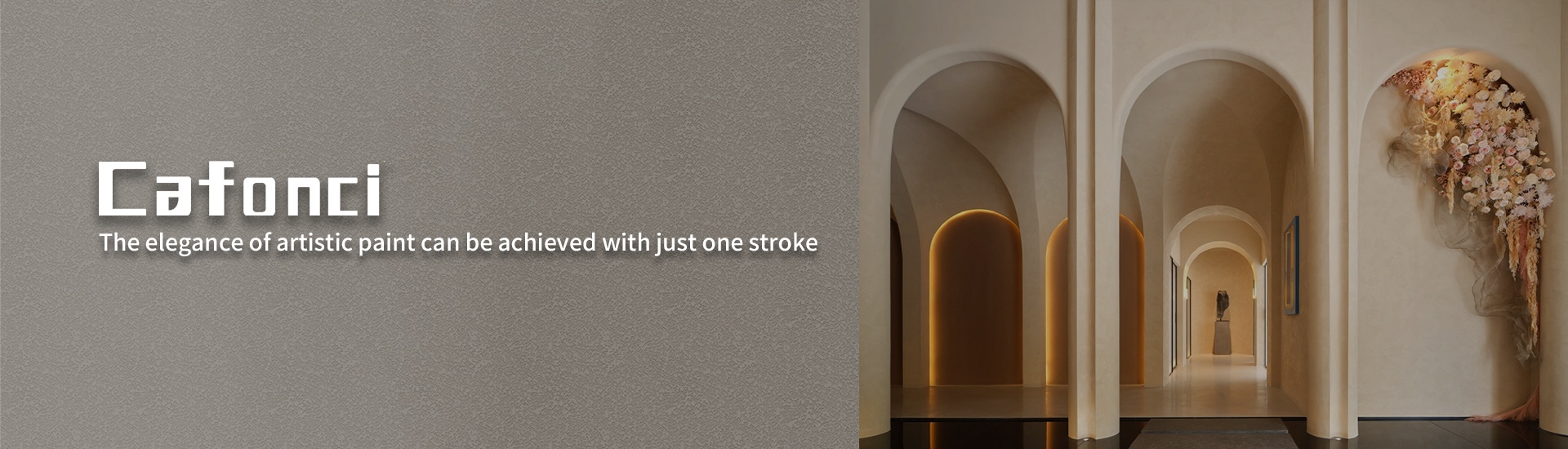
.jpg "Matte Water Based Paint: The Mystery Ingredient That’s Making Walls Look ‘Lived-In’ Perfect(图1)")
There’s a quiet magic in the way sunlight filters through linen curtains and lands on a matte water based painted wall—no harsh glares, no sterile shine, just a soft, diffused glow that feels like a hug. This is the “lived-in perfect” that homeowners are craving: walls that don’t scream “brand new,” but whisper “this is where life happens.
Gone are the days of glossy, mirror-like walls that look like they belong in a hotel suite. Today’s design ethos revolves around *wabi-sabi*—the Japanese philosophy of finding beauty in imperfection—and “lived-in luxury,” which values authenticity over austerity. A lived-in wall isn’t flawless; it’s marked by the small, sweet signs of life: a faint coffee ring from a morning brew, a smudge of kid’s crayon that’s been wiped (but not fully erased), a dent from moving a bookshelf. These aren’t flaws—they’re stories.
So what makes matte water based paint the secret weapon for this look? It all comes down to three key ingredients that work together to create texture, warmth, and “forgiveness.”
First: the water-based binder. Unlike oil-based paints (which rely on harsh solvents), matte water based paints use acrylic or latex binders mixed with water. This makes them low-VOC (volatile organic compounds), almost odorless, and quick-drying—ideal for families who can’t wait days for paint to cure or tolerate strong fumes. The binder also forms a flexible, durable film that resists cracking or peeling, even in high-traffic areas.
Second: matting agents. These tiny particles (usually silica or wax) are the reason matte walls don’t shine. Instead of reflecting light like a mirror, they scatter it—so sunlight or lamp light diffuses softly across the surface, creating that cozy, inviting glow. No more harsh reflections that make a room feel cold or sterile.
Third: mineral fillers. To add texture, manufacturers mix in fine minerals like talc, calcium carbonate, or kaolin clay. These particles create a subtle, tactile surface—think the soft roughness of linen or the warmth of hand-plastered walls. It’s not a bumpy “textured paint” (that’s a different product); it’s a barely-there grain that makes the wall feel *real*, not machine-made.
Together, these ingredients do something extraordinary: they turn walls from “surfaces” into “backdrops for life.” The matting agents eliminate the “plastic-y” shine that makes high-gloss walls feel unapproachable. The mineral fillers add depth, so the wall doesn’t look flat or lifeless. And the water-based binder ensures the paint is tough enough to handle daily wear—spills, scuffs, even the occasional crayon attack—without losing its character.
Just ask Sarah, a mom of two in Chicago. She used to dread painting her living room because her kids would leave crayon marks on her glossy walls that she couldn’t remove without damaging the finish. “Now I use matte water based paint,” she says. “If the kids draw on the wall, I just wipe it with a damp cloth. The mark comes off, and the wall still looks the same—no shiny spot, no weird patch. It’s like the wall *expects* to be lived in.”
Designer Emma Carter, who specializes in “warm minimalism,” says matte water based paint is her go-to for clients who want a home that feels “lived-in, not staged.” “High-gloss walls make a space feel like a showroom,” she explains. “Matte walls make it feel like a home. They let the furniture, art, and people take center stage—without competing for attention.”
The versatility of matte water based paint is another win. It works with almost any design style:
- Scandinavian minimalism: A soft matte white adds warmth without cluttering the space.
- Japanese wabi-sabi: A muted matte beige or sage green complements natural wood and linen.
- Mid-century modern: A deep matte navy or forest green adds drama without being overwhelming.
- Bohemian: A matte terracotta or rust red brings depth to layers of textiles and plants.
And don’t worry about maintenance. While matte paint was once considered “high-maintenance,” modern water-based formulas are tough. Look for “washable matte” (most brands offer this) — it’s resistant to scuffs, stains, and fading. Just use a mild soap and water (avoid harsh cleaners) and you’ll keep your walls looking “lived-in perfect” for years.
The best part? Matte water based paint embraces imperfection. It doesn’t demand that your walls stay “perfect”—it celebrates the marks of life. A coffee cup ring isn’t a mistake; it’s a memory of a lazy Sunday morning. A crayon mark isn’t a mess; it’s a reminder of your kid’s creativity. These “flaws” don’t ruin the wall—they make it *yours*.
In a world that’s obsessed with “perfection” (thanks, social media), matte water based paint is a rebellion. It’s a way to say: “My home isn’t a showroom. It’s a place where life happens—and that’s perfect.”
So the next time you’re painting a room, skip the high-gloss. Choose matte water based paint. And let your walls tell your story. Because the most beautiful walls aren’t the ones that look brand new—they’re the ones that look *lived in*.