English
 简体中文
简体中文
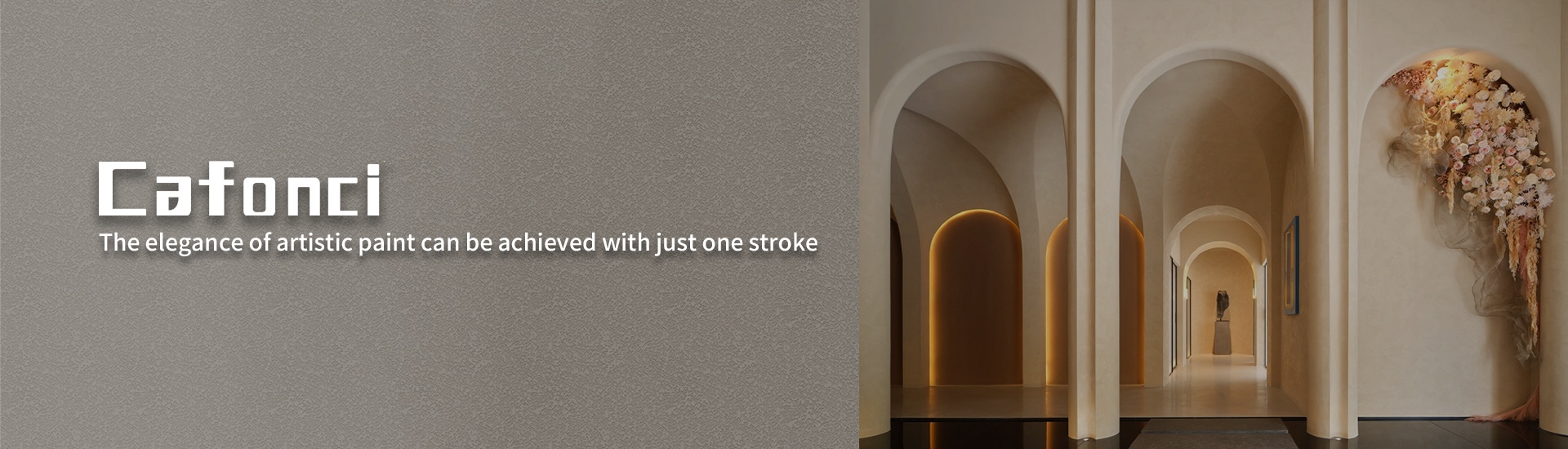
Ragging texture is more than just a visual effect—it’s a design language that speaks to authenticity, craftsmanship, and the beauty of imperfection. Defined by its rough, layered, and often irregular surface, this texture evokes a sense of history, nature, and handcrafted warmth, making it a staple in styles ranging from rustic farmhouse to industrial chic. Unlike sleek, uniform finishes, ragging texture thrives on variation: a patchwork of light and shadow, uneven edges, and subtle depth that draws the eye and invites touch. In an era dominated by digital smoothness, its tactile and organic quality has made it a beloved choice for designers seeking to infuse spaces, objects, and art with character.
#The Roots of Ragging Texture: From Accidental to Intentional
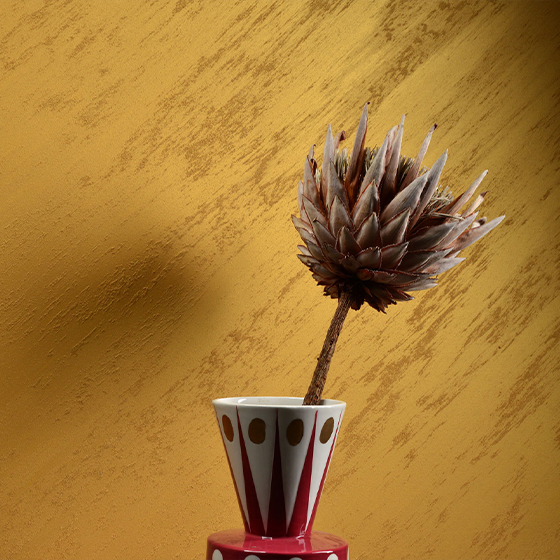
The origins of ragging texture trace back to the intentional embrace of imperfection in traditional crafts. Long before it became a “trend,” artisans and makers often preserved the “flaws” of natural materials—whether the rough weave of hand-spun linen, the uneven glaze of hand-thrown pottery, or the weathered patina of aged wood. These accidental textures, born from the limitations of handwork or the passage of time, were eventually recognized as sources of beauty. For example, in 18th-century European folk art, painters would use rags or sponges to dab paint onto canvas, creating a mottled effect that mimicked the look of aged stone or weathered plaster. Similarly, in Japanese wabi-sabi philosophy, the acceptance of transience and imperfection celebrated textures like cracked pottery glazes or frayed fabric edges—precursors to the modern ragging texture aesthetic.
#Ragging Texture in Art: Adding Depth to the Canvas
In the art world, ragging texture is a powerful tool for creating dimension and emotion. Painters have long used tactile techniques to move beyond flat color, and ragging—whether with a cloth, sponge, or even fingers—offers a way to build layers that catch light differently, adding complexity to a piece. Acrylic and oil painters, for instance, might apply a base coat, then use a crumpled rag dipped in a contrasting hue to gently press or drag across the surface. The result is a斑驳 (mottled) pattern that feels both random and intentional, as if the color has seeped into the canvas over time. This technique is particularly popular in abstract art, where ragging texture can represent natural elements like stone, bark, or weathered earth, inviting viewers to “read” the texture as a narrative of time and touch.
#Interior Design: Ragging Texture as a Statement of Style
Perhaps the most recognizable application of ragging texture is in interior design, where it transforms spaces from generic to memorable. The “ragging paint technique” is a classic example: a method where painters use a damp rag to apply or remove paint, creating a soft, uneven finish that mimics the look of aged wallpaper or hand-plastered walls. Unlike solid-color walls, ragged textures add movement—subtle variations in tone and sheen that shift with light, making rooms feel dynamic and lived-in. This technique works especially well in spaces aiming for warmth, such as cozy living rooms or rustic kitchens, where the texture complements wooden beams, natural stone, or vintage furniture.
Beyond walls, ragging texture elevates furniture and decor. Distressed wooden tables, for instance, often feature ragged edges or sanded-down surfaces that reveal layers of paint or stain, telling a story of “use” and history. Even textiles play a role: throw pillows made from rough-hewn linen, or curtains with a deliberately frayed hem, introduce ragging texture that softens hard edges and adds tactile interest. In industrial-style spaces, metal fixtures with ragged, brushed finishes balance the coldness of steel with a sense of handcraft, creating a harmonious blend of raw and refined.
#Fashion and Textiles: Ragging Texture as a Fabric Narrative
In fashion, ragging texture is a celebration of comfort and individuality. Designers use it to add depth to fabrics, making clothing feel less “mass-produced” and more personal. Think of a well-loved denim jacket with ragged cuffs and faded patches, or a sweater knit from thick, irregular yarn that creates a bumpy, tactile surface. These textures aren’t just aesthetic—they’re functional, too. Ragged-textured fabrics like flannel or bouclé are often warmer and more breathable, as their loose weaves trap air and allow for movement.
Sustainable fashion has further embraced ragging texture, as it aligns with the ethos of “slow design.” By reusing vintage fabrics, distressing new materials to mimic age, or using natural fibers with inherent irregularities (like organic cotton with visible seed pods), brands reduce waste and create pieces with unique, non-replicable textures. A dress made from ragged, hand-dyed silk, for example, isn’t just clothing—it’s a wearable piece of art, where every thread and fray is a mark of intention.
#Digital Design: Bringing Ragging Texture to the Virtual World
Even in the digital realm, ragging texture is making its mark. UI/UX designers use it to add warmth to screens, replacing flat, sterile backgrounds with textured patterns that mimic real materials. A website for a boutique coffee shop might feature a ragged paper texture behind menu items, evoking the feel of a handwritten notebook. In 3D modeling, ragging texture is critical for realism: a virtual wooden chair with a ragged, grainy surface feels more “real” than a smooth, plastic-like render, helping users connect emotionally with digital spaces.
Game designers, too, rely on ragging texture to build immersive worlds. A medieval castle wall in a video game, for instance, uses layered ragged textures to simulate stone that’s been weathered by rain and time, making the environment feel tangible. Even app icons benefit from subtle ragging texture—soft edges or slight unevenness that makes them feel less like digital glyphs and more like physical objects.
#The Future of Ragging Texture: A Timeless Trend
What makes ragging texture enduring? Its ability to adapt. Whether in a 17th-century oil painting, a 1950s kitchen with ragged wallpaper, or a 2024 digital interface, it remains relevant because it taps into universal human desires: a connection to nature, an appreciation for handcraft, and a rejection of perfection. As design continues to prioritize authenticity and sustainability, ragging texture will only grow in popularity, evolving with new materials and technologies but retaining its core identity as a texture that feels “alive.”
In a world of filters and flawless finishes, ragging texture is a reminder that beauty often lies in the imperfect—in the smudge of paint, the fray of a thread, or the weathered edge of a stone. It’s not just a texture; it’s a story—a testament to the idea that the most memorable designs are those that feel touched by time and human hands.