English
 简体中文
简体中文
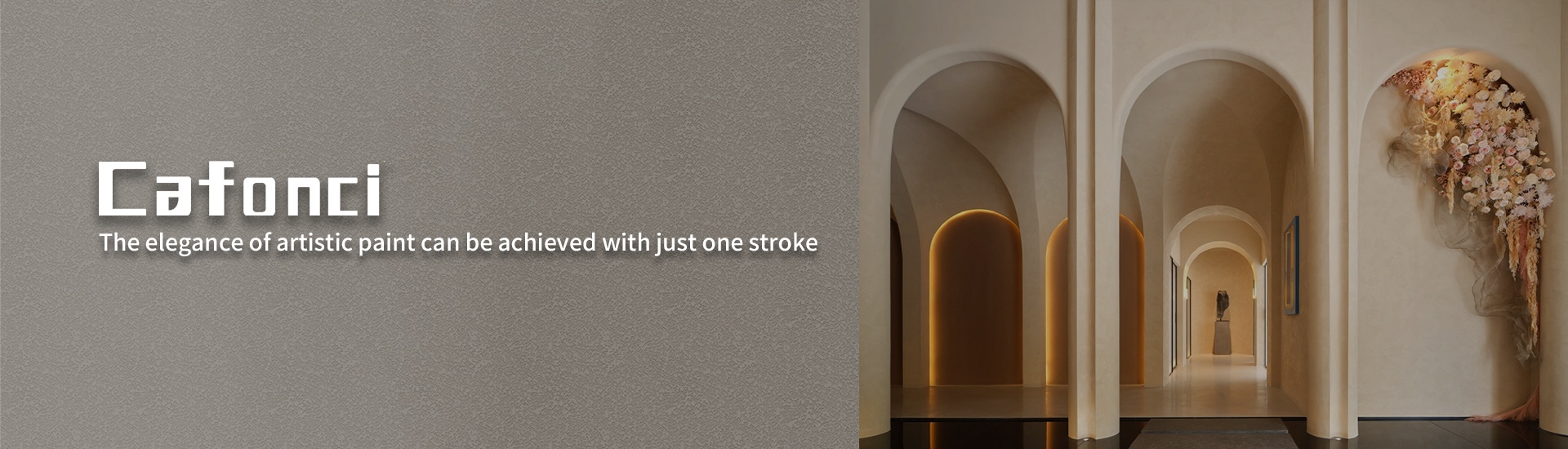
.jpg "The Ultimate Guide to Textured Spray Paint Coating(图1)")
[Textured spray paint is a versatile tool for adding depth and character to a variety of surfaces. Whether you're a seasoned DIY enthusiast or a beginner looking to embark on your first project, textured spray paint offers an accessible way to breathe new life into old, mundane items. This comprehensive guide will walk you through everything you need to know about textured spray paint coating, from selecting the right products to mastering application techniques.
To begin with, it's crucial to understand what textured spray paint is. Unlike traditional spray paint, which typically provides a smooth, even coat, textured spray paint is formulated to create a three-dimensional effect. This can range from subtle pebble-like textures to more pronounced patterns, depending on the product and application method used. Textured spray paints are ideal for projects that require a rugged, tactile finish, such as outdoor furniture, decorative objects, or even walls.
Choosing the Right Product
When selecting a textured spray paint, consider the surface you plan to coat. Some paints are specifically designed for metal, wood, or plastic, while others offer multi-surface compatibility. Always check the manufacturer's recommendations to ensure the best results. Additionally, pay attention to the finish you desire; options may include stone, hammered, or sand-like textures, each offering a distinct look.
Preparing Your Surface
Preparation is key to achieving a successful textured spray paint finish. Start by cleaning the surface thoroughly to remove any dirt, grease, or loose particles. Sand down any rough spots to create an even base, especially if you're working with wood. For metal surfaces, consider applying a primer to enhance paint adhesion and durability. Once your surface is prepped, cover any areas you don't want painted with masking tape or drop cloths.
Application Techniques
Shake the can vigorously before use, and continue shaking frequently during application to maintain an even texture. Hold the can approximately 10-12 inches away from the surface, and apply in light, sweeping motions. It's better to apply several thin coats rather than one thick coat to prevent drips and achieve a uniform texture. Allow each coat to dry completely before applying the next.
Finishing Touches
Once the final coat is dry, inspect your work for any imperfections and touch up as needed. If you're satisfied with the texture and coverage, consider applying a clear sealant to protect the paint from wear and tear, especially for outdoor projects. A sealant can also enhance the longevity of the textured finish, maintaining its aesthetic appeal over time.
In conclusion, textured spray paint coating is a fantastic way to add personality and durability to a variety of DIY projects. Whether you're transforming a tired piece of furniture or creating a custom art piece, the key lies in careful preparation, product selection, and thoughtful application. With practice and creativity, you can master the art of textured spray painting and enjoy the satisfaction of personalized, professional-looking results.