English
 简体中文
简体中文
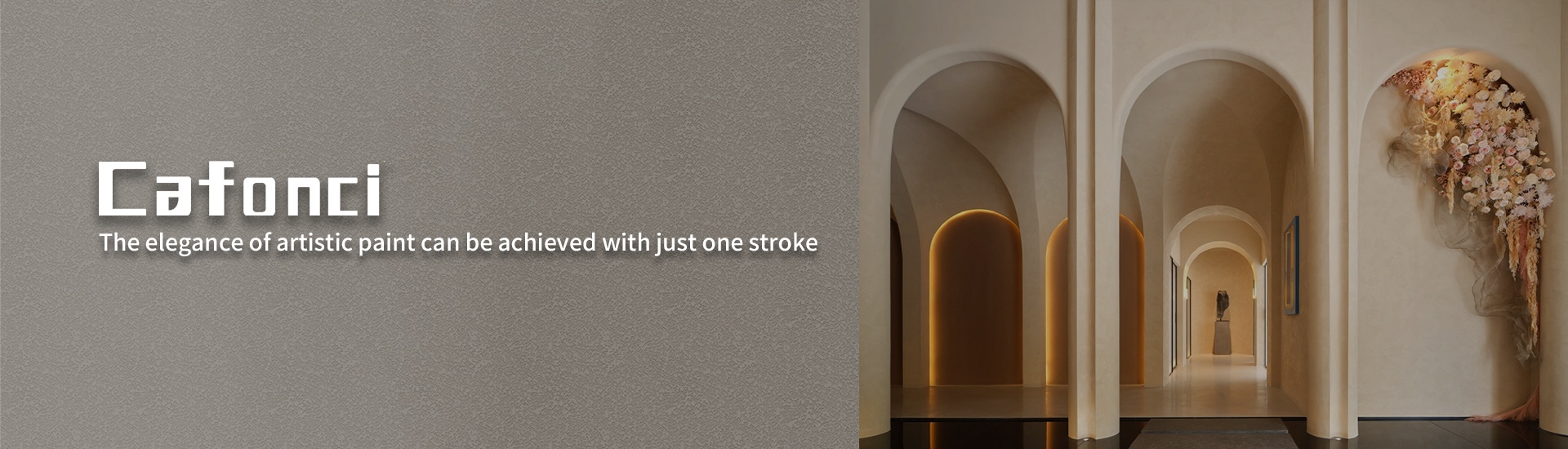
Trowel texture paint is a versatile coating solution that transforms plain walls and ceilings into visually engaging surfaces by creating tactile, three-dimensional patterns using a trowel. Unlike smooth paints, it adds depth and character, making it a popular choice for both residential and commercial spaces. Whether you’re aiming for a modern industrial look, a cozy rustic vibe, or a timeless traditional aesthetic, trowel texture paint offers endless possibilities to elevate interior and exterior design.
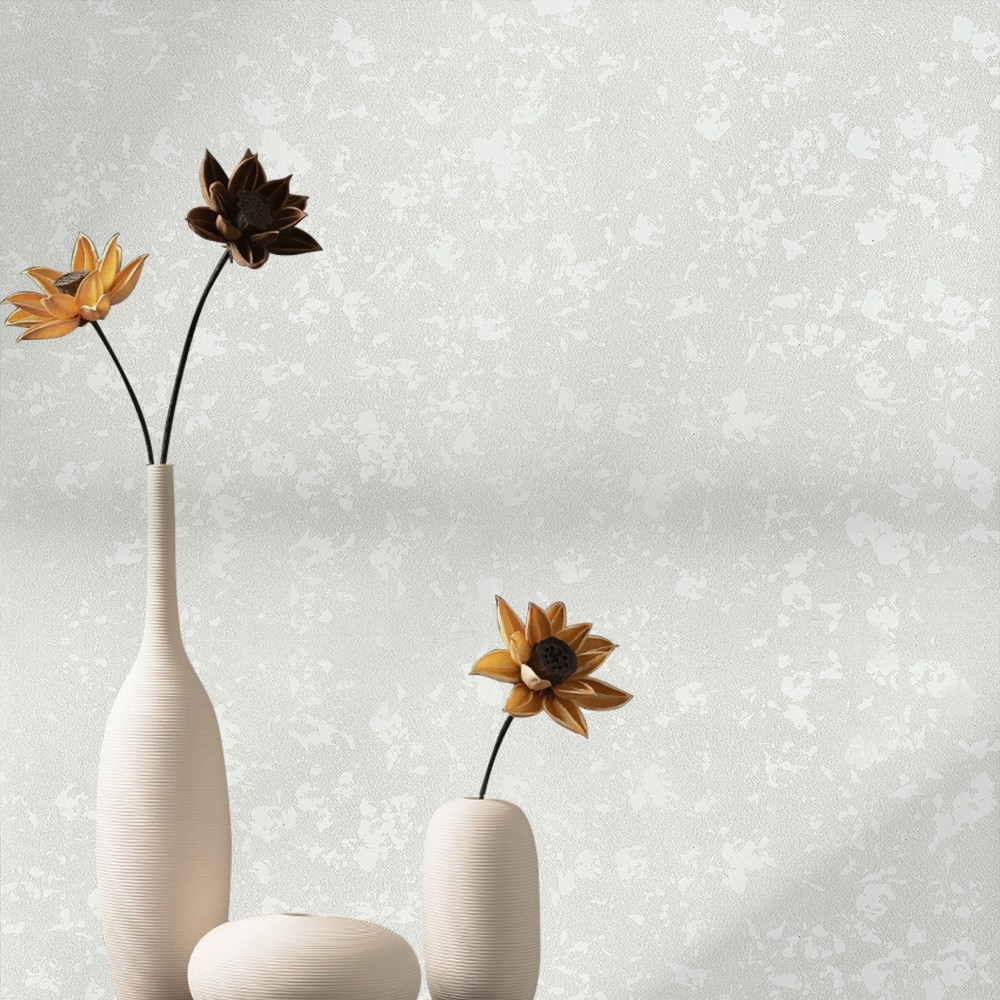
#Understanding Trowel Texture Paint
At its core, trowel texture paint is formulated to be applied with a trowel—a flat, handheld tool with a metal or plastic blade—allowing for controlled manipulation of the paint’s thickness and pattern. It typically consists of a base (such as latex, acrylic, or石膏-based) mixed with additives that enhance workability and texture retention. This flexibility makes it suitable for various surfaces, including drywall, plaster, concrete, and masonry. Its popularity stems from its ability to balance functionality and aesthetics: it conceals imperfections while adding visual interest.
#Step-by-Step Application Process
Achieving a professional trowel texture finish requires careful preparation and technique. Follow these steps for optimal results:
##1. Prepare the Surface
Start by ensuring the wall or ceiling is clean, dry, and smooth. Remove dust, grease, or old paint using a damp cloth or mild detergent. Repair cracks, holes, or dents with spackle or joint compound, then sand the surface until even. Apply a high-quality primer to improve adhesion and prevent the texture paint from soaking into the substrate unevenly. Allow the primer to dry completely (check the manufacturer’s instructions for drying time).
##2. Gather Tools and Materials
To apply trowel texture paint, you’ll need:
- Trowel: Choose the right type—options include pointed trowels (for detailed work),平头 trowels (for broad strokes), or notched trowels (for consistent thickness). Size matters too: smaller trowels (4–6 inches) work for tight spaces, while larger ones (8–12 inches) cover larger areas efficiently.
- Trowel texture paint: Select a formula based on your surface and desired finish. Latex-based paints are easy to clean and ideal for interiors, while石膏-based mixes offer thicker textures and better durability for exteriors.
- Stirring tool: A drill with a paint mixer attachment ensures the paint and texture additives are well-blended.
- Primer: As mentioned, to promote adhesion.
- Protective gear: Gloves, safety goggles, and a dust mask to avoid inhaling paint particles.
- Optional tools: A paint roller (for pre-rolling thin layers), a sponge (for softening edges), or a sprayer (for initial coverage before troweling).
##3. Apply the Paint
Start by stirring the trowel texture paint thoroughly—settling is common, so mix until smooth and lump-free. For best results, work in small sections (3x3 feet) to prevent the paint from drying before you can texture it.
- Load the trowel: Dip the trowel into the paint, ensuring the blade is evenly coated but not overloaded (excess paint will drip).
- Create texture: Hold the trowel at a 45-degree angle to the surface. Apply gentle, consistent pressure as you pull or push the trowel across the wall. The angle and pressure will dictate the texture: a steeper angle creates sharper ridges, while a flatter angle produces softer, spread-out patterns. Experiment on a scrap piece of drywall first to practice techniques like swirling, stippling, or dragging.
##4. Refine and Dry
After applying the initial texture, you can refine it while the paint is still wet. For example, a “knockdown” texture involves lightly dragging a dry trowel over the wet paint to flatten the peaks, creating a semi-smooth finish. For a “skip trowel” look, randomly skip the trowel across the surface to leave uneven, organic patches. Allow the paint to dry completely—this can take 24–48 hours, depending on humidity and thickness. Once dry, inspect for any missed spots and touch up as needed.
#Popular Trowel Texture Types
Trowel texture paint’s appeal lies in its versatility—here are five common texture types to consider:
- Knockdown Texture: One of the most popular options, knockdown texture features soft, flattened peaks and valleys. It’s subtle enough for high-traffic areas like living rooms and hallways, as it hides minor dents and scuffs.
- Skip Trowel Texture: Characterized by irregular, patchy patterns, skip trowel adds a rustic, artisanal feel. It works well in kitchens or bedrooms, pairing beautifully with wooden accents or vintage decor.
- Swirl Texture: Created by rotating the trowel in circular motions, swirl texture adds a dynamic, flowing pattern. It’s ideal for accent walls or ceilings, adding a touch of elegance to formal spaces like dining rooms.
- Stucco Texture: Thick and coarse, stucco texture mimics traditional stucco walls. It’s highly durable and weather-resistant, making it perfect for exterior walls, porches, or fireplace surrounds.
- Orange Peel Texture: A细腻, bumpy finish resembling an orange peel, created by lightly spattering the paint with a trowel or using a sprayer before troweling. It’s a subtle choice for ceilings, as it softens light reflection.
#Benefits of Trowel Texture Paint
Beyond its aesthetic appeal, trowel texture paint offers practical advantages:
- Conceals Imperfections: Uneven drywall seams, small cracks, or nail holes are easily hidden beneath the texture, reducing the need for extensive wall prep.
- Enhances Acoustics: The textured surface can absorb sound waves, improving room acoustics—especially useful in large, echo-prone spaces like open-concept living areas.
- Durable and Long-Lasting: When applied correctly, trowel texture paint resists chipping, fading, and moisture (especially exterior-grade formulas). It can last 10–15 years with minimal maintenance.
- Customizable: From bold, dramatic textures to soft, understated patterns, you can tailor the finish to match any design style. Adjust the paint thickness, trowel angle, or technique to create a one-of-a-kind look.
#Design Ideas for Trowel Texture Paint
Looking for inspiration? Here are creative ways to use trowel texture paint in your space:
- Accent Walls: A textured accent wall in a neutral tone (soft gray, warm beige, or muted sage) can anchor a room. Pair it with sleek furniture for a modern contrast or rustic decor for cohesion.
- Fireplace Surrounds: Stucco or skip trowel texture on a fireplace adds warmth and texture, complementing the natural glow of a fire.
- Ceilings: Swap plain white ceilings for a subtle orange peel or swirl texture to add interest without overwhelming the room.
- Exterior Facades: Stucco or knockdown texture on exterior walls boosts curb appeal, especially when paired with stone accents or wooden trim.
- Kids’ Rooms: Use vibrant colors (soft blue, playful pink) with a skip trowel texture to create a fun, tactile environment that hides crayon marks.
#Maintenance Tips
To keep your trowel texture paint looking fresh:
- Regular Cleaning: Dust with a soft brush or vacuum attachment to prevent buildup. For stains, wipe gently with a damp cloth and mild soap—avoid harsh chemicals that can damage the texture.
- Touch-Ups: Small chips or scratches can be repaired by mixing a small amount of leftover paint and applying it to the damaged area with a small trowel, blending carefully with the surrounding texture.
- Avoid Sharp Objects: Keep furniture and decor from scraping the walls to prevent texture damage.
In conclusion, trowel texture paint is more than just a coating—it’s a design tool that adds depth, personality, and functionality to any space. With the right techniques and creativity, you can transform ordinary walls into stunning focal points. Whether you’re a DIY enthusiast or hiring a professional, exploring trowel texture paint opens up a world of possibilities for elevating your home’s interior and exterior design.