English
 简体中文
简体中文
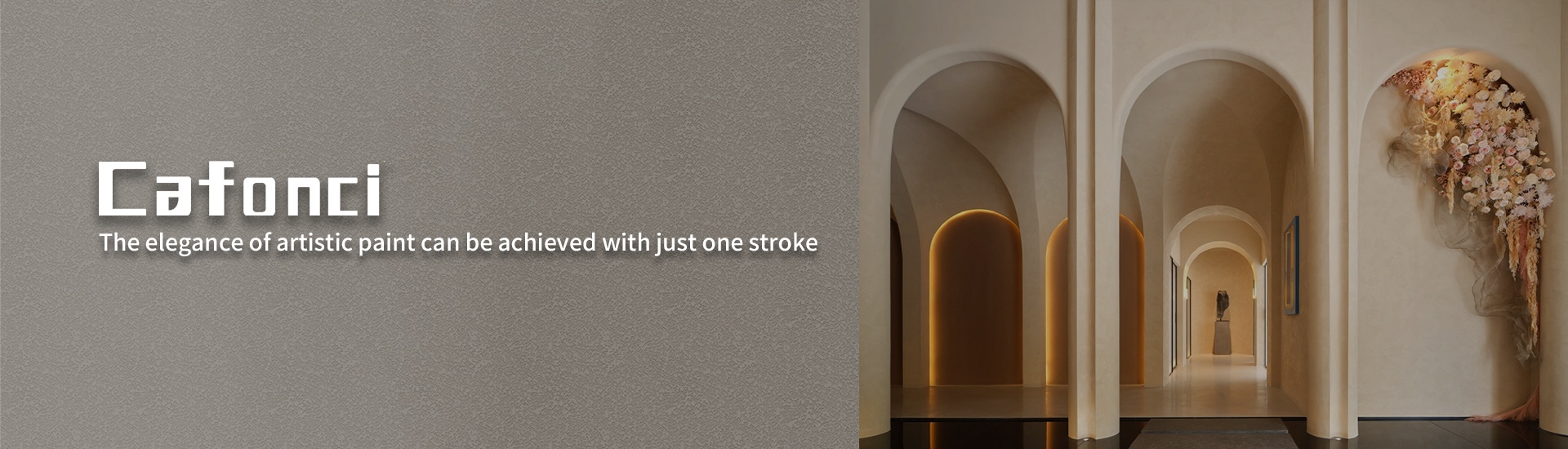
.jpg "Discover the Art of Texture: Spray Paint Coating Revolution(Image1)")
The world of art and design is constantly evolving, with new techniques and materials emerging that push creative boundaries. One such revolution in the creative space is the art of texture through spray paint coating. This technique has quickly gained popularity, especially in the realms of interior design, graffiti, and even product finishing. In this article, we’ll delve into the fascinating world of texture spray paint, exploring its applications, benefits, and how it’s transforming the way artists and designers approach their craft.
Understanding Spray Paint Coating
Spray paint coating is a method where paint is applied through a fine mist of pigment, typically delivered via a pressurized can or spray gun. While spray paint has been a staple in graffiti and street art for decades, the art of texture through spray coating is a more recent innovation. Texture spray paint is specifically formulated to create varying surface textures, from smooth to rough, or even intricate patterns. This approach opens up a world of possibilities for artists and designers, allowing them to add depth, dimension, and tactile quality to their work.
The Appeal of Texture in Art
Texture has been an essential element in visual arts for centuries. Artists have long used different materials and techniques to create surface variations, whether through painting, sculpture, or mixed media. Texture adds a sensory dimension to art, allowing viewers to not only see but also imagine the feel of a surface. With the introduction of spray paint coatings, artists now have the ability to create texture more quickly, easily, and with a higher degree of control.
One of the most attractive aspects of texture spray paint is the wide range of effects it can produce. Artists can create a variety of textures, from a smooth, even coating to more complex designs that mimic natural surfaces like stone, wood, or fabric. This versatility is particularly beneficial in interior design, where textured walls or accents can dramatically change the look and feel of a space.
Advantages of Texture Spray Paint
#1. Speed and Efficiency
Traditional methods of creating textured surfaces often require significant time and effort, especially when it comes to materials like plaster, clay, or fabric. With spray paint, artists and designers can achieve similar effects in a fraction of the time. The spray application allows for even coverage and fast drying, making it a perfect solution for projects that need to be completed quickly.
#2. Versatility in Application
Texture spray paint can be used on a wide variety of surfaces, including wood, metal, plastic, glass, and even fabric. This makes it ideal for both small-scale projects like custom art pieces and large-scale works such as wall murals or commercial designs. Furthermore, different spray techniques—such as layering, stenciling, or distressing—can produce a wide array of textures, making this medium highly adaptable.
#3. Cost-Effectiveness
Compared to traditional methods, spray paint coating is often a more budget-friendly option. The cost of spray paint and the tools needed for its application are relatively low, especially when considering the time and labor saved during the creative process. For both amateur and professional artists, this cost-effectiveness makes texture spray paint a go-to choice for projects on a budget.
#4. Enhanced Creativity
With the ability to quickly and easily add texture to any surface, spray paint opens up new avenues for creativity. Artists can experiment with different textures, patterns, and effects without the constraints of more traditional materials. This freedom allows for a higher degree of experimentation and the creation of unique, one-of-a-kind pieces that stand out.
Innovative Techniques for Texture Spray Painting
There are several techniques that artists and designers use to maximize the impact of texture spray paint. Let’s explore a few of the most popular methods:
#1. Layering
One of the simplest yet most effective ways to create texture with spray paint is by layering different colors and types of sprays. By spraying multiple layers of paint, artists can create a depth effect, allowing the underlying colors to show through. This technique can be used to simulate the appearance of more complex textures, such as aged wood or weathered stone.
#2. Stenciling
Stenciling is another popular method for creating intricate patterns with texture spray paint. By using stencils, artists can apply texture in specific areas or along defined lines. This technique is often used in wall art or for creating patterned accents on furniture and other design elements. Stencils allow for precision and control, ensuring that the texture is applied exactly where it’s needed.
#3. Distressing
For those who love a more vintage or rustic look, distressing is a popular technique. This involves applying multiple layers of texture spray paint and then lightly sanding or scraping away parts of the surface to reveal underlying layers. The result is a worn, aged look that is perfect for furniture restoration or creating the appearance of antique décor.
#4. Faux Finishes
Faux finishes are a great way to mimic natural materials using spray paint. Artists can use texture spray to replicate the appearance of stone, wood, leather, or fabric. By using different spray techniques, including layering, distressing, and glazing, artists can create highly realistic faux finishes that bring a touch of nature into modern spaces.
Transforming Your Space with Texture Spray Paint
In addition to its artistic applications, texture spray paint is becoming a go-to solution for interior designers looking to transform spaces. Textured walls are a bold and innovative way to add character to a room. Whether it’s creating a focal point with a textured accent wall or using texture paint to add depth to a neutral color scheme, the possibilities are endless. Moreover, the texture of a wall can influence the ambiance of a room. A rough, stone-like texture can bring an earthy, natural feel, while a soft, fabric-like texture can make a room feel cozy and inviting.
Conclusion
The art of texture through spray paint coating is a true revolution in the world of art and design. With its speed, versatility, and cost-effectiveness, it has become an indispensable tool for artists, designers, and DIY enthusiasts alike. By experimenting with various spray techniques, artists can unlock endless creative possibilities and achieve stunning, one-of-a-kind results. Whether used in street art, interior design, or custom projects, texture spray paint is undoubtedly changing the way we think about creative expression.