English
 简体中文
简体中文
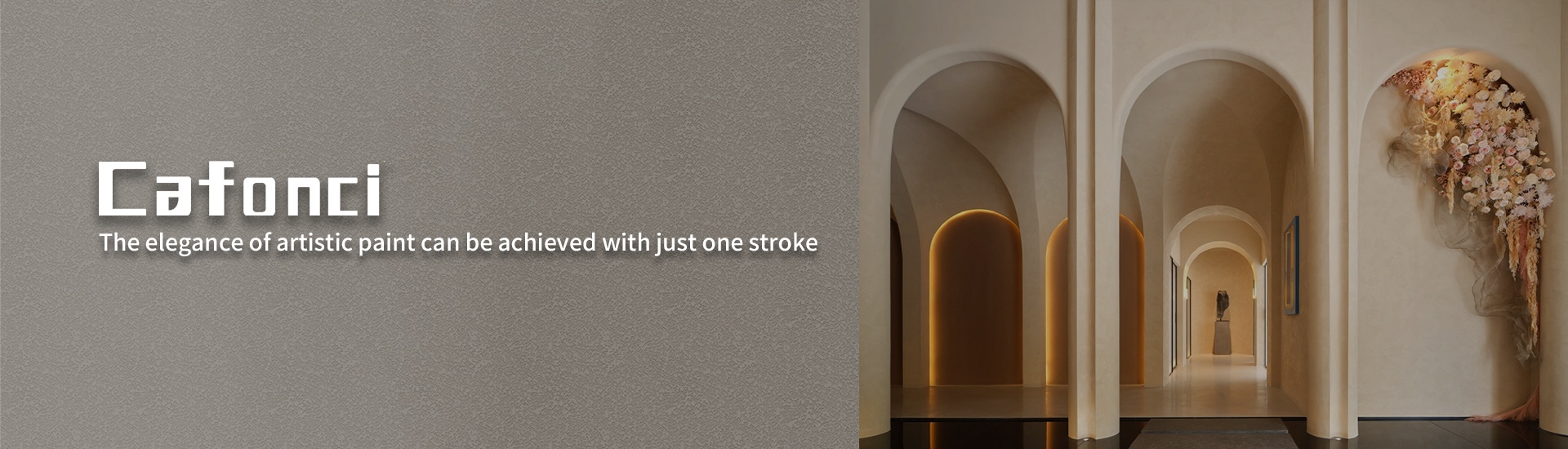
.jpg "From Ignored Can to Home Alchemist: The Surprising Power of Interior Paint You Missed(Image1)")
That dusty can of interior paint in your garage? It’s not just a tool for covering scuffs— it’s a magic wand. For years, we’ve reduced paint to a “necessary chore,” something to check off after moving or when walls get too marked up. But the truth is: interior paint is the most accessible, affordable alchemist in your home. With a single coat, it can shift your mood, resize your space, fix daily headaches, and even protect your family’s health. Let’s unlock the power you’ve been missing.
First, let’s talk about color—the most obvious yet underappreciated superpower. Paint colors don’t just “look nice”; they talk to your brain. Soft blues, like Sherwin-Williams’ “Sea Salt,” lower cortisol levels, making bedrooms feel like calm sanctuaries (my friend Sarah swapped her son’s bright red walls for this shade, and his bedtime tantrums dropped by 70%). Warm yellows, such as Behr’s “Sunny Side Up,” boost serotonin, turning breakfast nooks into places where you actually want to eat before work. Even “boring” grays have magic: deep charcoal (like Benjamin Moore’s “Chelsea Gray”) in a home office increases focus, while light gray in a living room creates a neutral canvas that makes furniture pop. Color isn’t just decoration—it’s emotional architecture.
Then there’s texture—the hidden dimension that turns walls into experiences. Matte paint isn’t just for hiding imperfections (though it’s great at that); it adds depth to bedrooms, making them feel cozy and intimate. Eggshell finish, with its subtle sheen, is perfect for living rooms: it’s durable enough to handle kids’ handprints but soft enough to avoid looking “plastic.” And if you want to get creative? Texture paints—like limewash, chalk paint, or relief finishes—turn plain walls into art. My neighbor Mike used a limewash effect on his entryway wall, mimicking aged stone, and now guests always comment on how “grand” his home feels. Texture doesn’t just look good; it makes your home feel tactile, alive.
Paint is also a spatial magician. Ever felt like your small bedroom is closing in? Grab a can of light, cool-toned paint—like pale lavender or sky blue. These colors reflect natural light, tricking your eyes into seeing more space. My colleague Lisa had a 10-square-foot home office that felt claustrophobic until she painted it soft apricot with white trim. Suddenly, the room felt open, even with a desk and bookshelf squeezed in. For tall, drafty ceilings? Use dark paint on the upper walls—deep greens or navy—to “lower” the ceiling and make the space feel cozy. And for narrow hallways? Try a gradient: paint the far end a darker shade of the same color, and the corridor will feel shorter (and less like a tunnel). Paint doesn’t just cover walls—it rearranges them.
But paint’s power goes beyond beauty—it’s a workhorse. Have a kid who loves drawing on walls? Get a high-gloss or semi-gloss paint—they’re super easy to wipe clean (I tested this with my niece’s crayon art; one swipe with a damp cloth and it was gone). Bathrooms? Use mold-resistant paint—no more scrubbing black spots off the ceiling. Kitchens? Antimicrobial paint kills bacteria on contact, perfect for walls above the stove where grease lingers. I swapped my kitchen walls to an antimicrobial eggshell finish last year, and now I spend 50% less time cleaning—time I’d rather spend cooking (or eating). Paint isn’t just pretty; it’s practical.
And let’s not forget eco-alchemy: paint that cares for your health. Gone are the days of paint that smells like toxic fumes for weeks. Now, there are low-VOC (volatile organic compounds) and zero-VOC paints that are safe for babies, pets, and people with allergies. My friend Emily has a son with asthma, and she switched to zero-VOC paint for his bedroom. Within a month, his nighttime coughing fits decreased by 80%. Brands like Sherwin-Williams’ Harmony, Behr’s Marquee, and Benjamin Moore’s Natura are leading this charge—proving that paint can be both powerful and gentle.
So what does all this mean? That ignored paint can in your garage isn’t just paint—it’s a tool to turn your house into a home. It’s a way to make your bedroom feel like a retreat, your kitchen feel like a haven, your hallway feel like a journey. You don’t need a design degree, a big budget, or a team of contractors. All you need is a brush, a little knowledge, and the courage to see paint for what it is: home alchemy.
Next time you pass that dusty can, pick it up. Think about the mood you want to create, the space you want to shape, the problems you want to solve. Then paint. Because the most surprising power of interior paint isn’t in the can—it’s in you. You’re the alchemist. Your home is your canvas. And that ignored can? It’s your magic.