English
 简体中文
简体中文

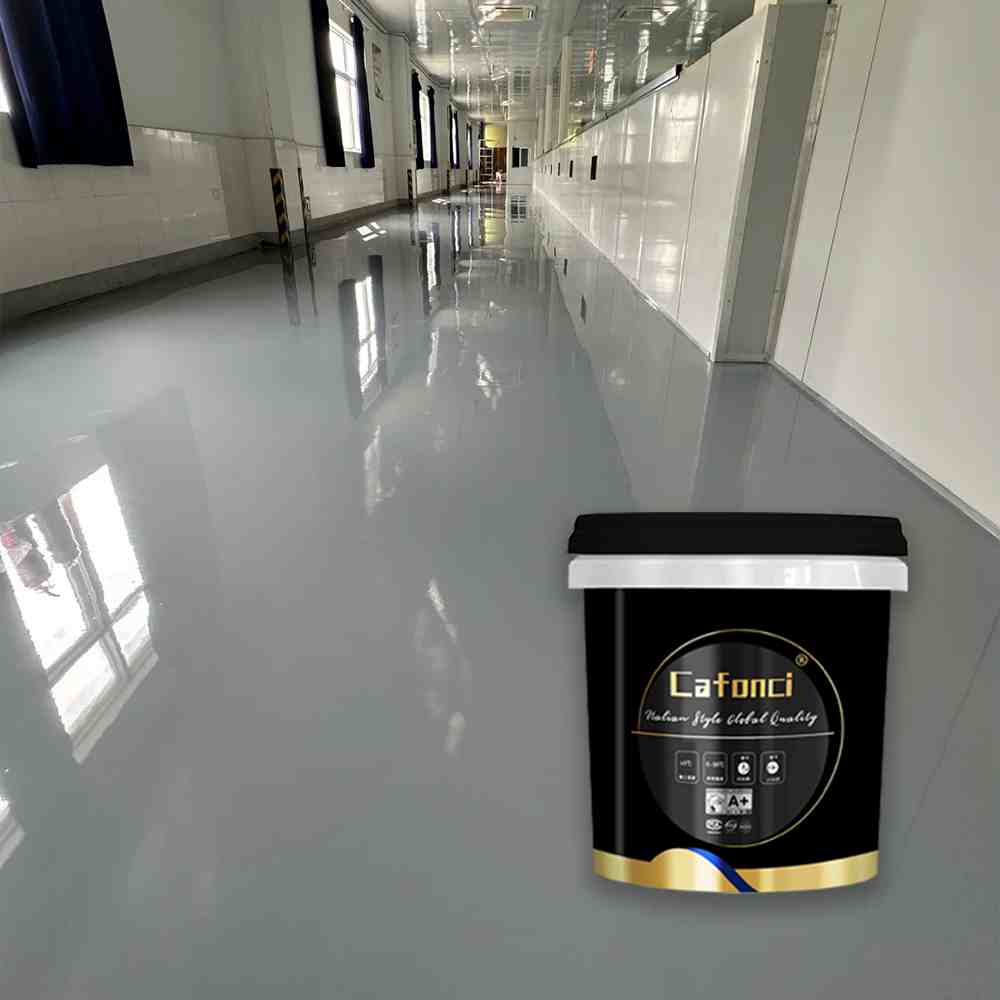
The correct thickness of a self-leveling system depends on the product, substrate condition, and final flooring requirements. In most applications, a self-leveling compound is applied at 3–10 mm (1/8–3/8 inch). This range provides enough material to smooth minor unevenness without creating unnecessary weight, cost, or drying time.
Always check the manufacturer’s technical data sheet before installation. Some products are designed for feather-edge repairs, while others can be installed at 25 mm or more when mixed with aggregate. Applying a standard compound beyond its approved thickness may cause cracking, shrinkage, slow curing, or loss of bond.
Before application, the concrete surface must be clean, dry, structurally sound, and free from oil, dust, paint, and loose particles. Fill deep cracks, remove high spots, and use the recommended primer. Primer improves adhesion, reduces pinholes, and prevents the substrate from absorbing water too quickly.
To determine the required thickness, identify the lowest and highest points of the floor. The compound must cover the highest point, so the average thickness may be greater than the measured depression. For deep areas, use a compatible repair mortar or a thick-bed leveling product rather than applying several unapproved layers.
Mix accurately with clean water and use a gauge rake or spreader to control coverage. A spiked roller can help release trapped air, but excessive rolling may disturb the surface. Protect the area from drafts, direct sunlight, and traffic during curing.
Light foot traffic is often possible after several hours, but the floor may require 24 hours or longer before installing tile, vinyl, wood, or resin flooring. Moisture testing is essential before applying moisture-sensitive finishes.
In short, most self-leveling systems work best at approximately 3–10 mm, but the product specification should always control the final decision. Correct thickness, preparation, and curing are the foundation of a durable, smooth floor.