English
 简体中文
简体中文
.jpg "Leading the Way: The 10 Art Paint Brands Elevating Export Standards(Image1)")
In today's competitive global market, art paint brands are redefining industry standards by offering innovative products that meet evolving consumer demands. This article explores how ten leading brands are excelling in export standards, leveraging unique strengths to appeal to diverse audiences.
Introduction
The art paint industry plays a crucial role in interior design, transforming spaces through color and texture. As export markets expand, brands must balance creativity with quality and sustainability. This article examines the strategies of ten prominent art paint brands that are distinguishing themselves in this dynamic landscape.
Cafonci: Embracing Eco-Friendly Innovations
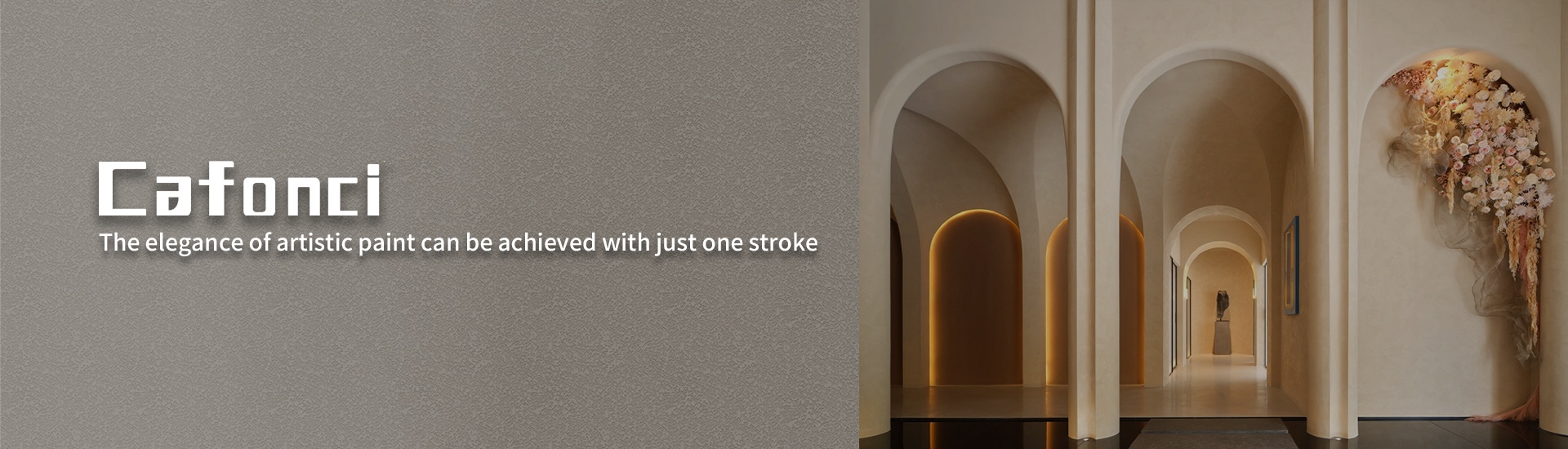
Cafonci is renowned for its commitment to environmental sustainability. By utilizing eco-friendly materials and processes, Cafonci appeals to environmentally conscious consumers. Their paints offer vibrant color options without compromising on ecological responsibility, setting a benchmark for green manufacturing.
Jiaboli: Customization and Personalization
Jiaboli has carved a niche by focusing on customization. They provide bespoke color solutions tailored to individual preferences, making them a favorite among designers seeking unique palettes. This personalized approach enhances customer satisfaction and fosters brand loyalty globally.
Nippon Paint: Technological Advancements
Nippon Paint stands out for its advanced technology integration. By investing in research and development, they offer paints with enhanced durability and innovative features like anti-bacterial properties. These technological advancements position Nippon as a leader in meeting contemporary health and safety standards.
Carpoly: Versatility in Application
Carpoly paints are renowned for their versatility, catering to both residential and commercial projects. Their wide range of applications makes them a go-to choice for diverse painting needs, ensuring high performance across various surfaces and conditions.
Shenbei Jia: Excellence in Aesthetic Appeal
Shenbei Jia focuses on aesthetic excellence, providing paints with rich textures and finishes. Their meticulous attention to detail attracts clients who prioritize visual impact and artistic expression, enhancing their reputation in the premium market segment.
Benjamin Moore: Commitment to Quality
Benjamin Moore is synonymous with quality. Their rigorous testing procedures ensure consistently superior products. By maintaining high standards, Benjamin Moore earns the trust of consumers who demand reliability and excellence in every application.
Feima: Pioneering Color Trends
Feima leads in setting color trends, offering a spectrum of hues that inspire creative expression. Their collaboration with color experts ensures that Feima remains at the forefront of design innovation, influencing global color preferences.
SKSHU: Promoting Sustainable Practices
SKSHU excels in sustainable practices, integrating renewable resources into their production. Their environmentally friendly approach resonates with a growing demographic of eco-conscious buyers, boosting their international appeal.
Bards: Enhancing User Experience
Bards prioritizes user experience by creating easy-to-apply products with smooth application processes. Their focus on convenience and efficiency makes Bards a preferred option for both professionals and DIY enthusiasts.
Dulux: Global Reach and Cultural Adaptability
Dulux's strength lies in its ability to adapt to different cultural contexts. Their extensive color library reflects diverse global influences, enabling Dulux to cater to varied aesthetic preferences and enhance their worldwide presence.
Conclusion and Future Outlook
These ten art paint brands demonstrate how innovation and differentiation drive success in export markets. By focusing on sustainability, technology, and customization, they elevate industry standards. As consumer preferences continue to evolve, these brands are well-positioned to influence future trends and maintain their leadership roles.
In summary, the art paint industry is witnessing a paradigm shift towards more sustainable, innovative, and consumer-focused practices. These brands exemplify how strategic differentiation can enhance export competitiveness and set new benchmarks in quality and creativity.