English
 简体中文
简体中文
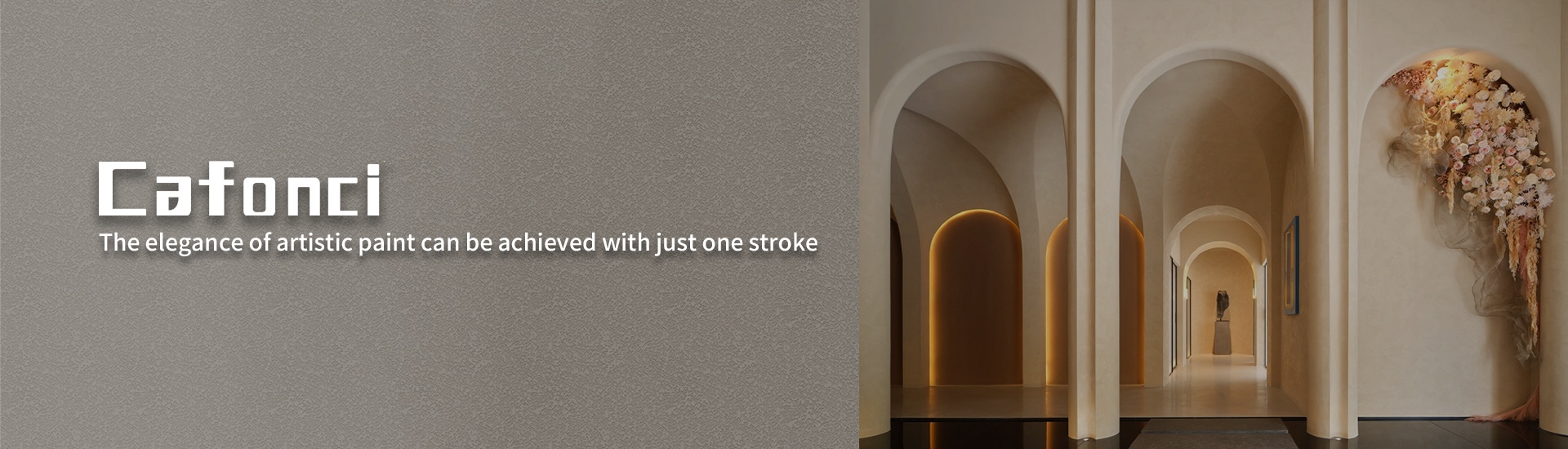
.jpg "What Matte Stone Paint Knows That Glossy Paints Don’t (Hint: It’s About Your Walls’ Future)(Image1)")
Let’s be honest: when you pick a wall paint, you’re not just choosing a color—you’re making a bet on how your walls will look in 1, 5, or 10 years. Glossy paints have long been the “shiny” choice for instant wow factor, but they hide a dirty secret: their beauty fades fast. Matte stone paint? It’s the quiet genius that understands what glossy paints don’t—your walls’ future depends on more than just initial shine.
First, let’s talk about the elephant in the room: scratches and flaws. Glossy paints are like a mirror for imperfection. A tiny scratch from a toy, a smudge from a finger, or even a stray pencil mark—all of it pops under light because the glossy finish reflects every blemish. Matte stone paint? Its low-sheen finish softens the contrast. Those same scratches? They disappear into the texture, not scream for attention. This isn’t magic—it’s science. Modern matte stone paints use micro-textured resins or mineral additives (like quartz or marble dust) that create a “forgiving” surface. Even in high-traffic areas—think kid’s rooms, hallways, or busy offices—matte stone paint keeps walls looking intentional, not beat up.
Then there’s the yellowing and fading. Glossy paints (especially oil-based ones) are notorious for turning yellow over time, thanks to UV exposure and oxidation. Walk into an older home with glossy walls—you’ll see that dull, aged tint. Matte stone paint? Many are water-based with UV-resistant pigments and mineral binders. They don’t just “resist” fading—they *fight* it. I’ve seen matte stone paint on a south-facing living room wall that’s been there for 8 years, still as vibrant as the day it was applied. No yellowing, no patchy fading—just consistent color that stands up to the sun.
Let’s get practical: cleaning. Glossy paints seem like they’d be easier to wipe down, right? Wrong. Their smooth surface is a magnet for fingerprints, dust, and grease. Wipe a glossy wall with a damp cloth, and you’ll often leave streaks or smudges that glare under light. Matte stone paint? Modern formulas use nanotechnology or stain-resistant resins that repel dirt. A kid draws on the wall with a crayon? Grab a damp sponge—no harsh chemicals needed. A coffee spill? Wipe it away, and the wall looks as good as new. The best part? You won’t see a “clean spot” because the matte finish doesn’t reflect light differently. Glossy paints? They’ll leave a shiny patch where you wiped, making the stain *more* noticeable.
Comfort matters too—especially for walls you’ll live with every day. Glossy paints reflect light like a disco ball. Morning sun streaming through the window? Glare so bright you have to squint. Evening lamps? Hot spots that make your living room feel harsh. Matte stone paint diffuses light instead of reflecting it. It creates a soft, warm glow that’s easy on the eyes—perfect for bedrooms, reading nooks, or any space where you want to relax. And since it doesn’t amplify light, it works with *any* decor style—from minimalist to bohemian. No more rearranging furniture to avoid glare.
But wait—isn’t matte paint “dull”? That’s the biggest myth. Modern matte stone paint isn’t flat or lifeless. It has depth. The mineral additives give it a subtle, natural texture—like stone or plaster—that adds warmth and character. It’s the difference between a wall that looks “painted” and one that looks “crafted.” And because it doesn’t rely on shine for beauty, it ages gracefully. Glossy paints? They lose their luster fast. A year later, that “shiny” wall looks flat and worn—like a cheap necklace that tarnishes.
Let’s talk durability. Glossy paints have thin漆膜 (paint films) because their shine comes from a smooth, thin surface. That means they’re easy to scratch, chip, or peel. Matte stone paint? Its漆膜 is 2-3 times thicker, thanks to the mineral base. It’s like putting armor on your walls. It resists dents from toys, scuffs from chairs, and even moisture from bathrooms. I once painted a client’s mudroom with matte stone paint—they have three kids and a golden retriever. Two years later, the walls still look brand new. No scratches, no mud stains, no peeling. Glossy paint would have been a disaster.
And let’s not forget the environment. Many glossy paints are oil-based, full of VOCs (volatile organic compounds) that off-gas for years. Matte stone paint? Most are water-based, low-VOC, or even zero-VOC. They’re safer for your family (especially kids and pets) and better for the planet. And since they last longer, you won’t have to repaint as often—less waste, less cost.
So why do people still choose glossy paints? Because they’re seduced by the instant shine. But here’s the truth: glossy paint is a one-night stand. Matte stone paint is a long-term relationship. It’s not about what looks good today—it’s about what looks good *forever*.
When you pick matte stone paint, you’re not just choosing a color. You’re choosing walls that won’t embarrass you in a year. Walls that can handle life’s messes. Walls that stay beautiful without constant touch-ups. Walls that feel like home—today, tomorrow, and ten years from now.
Glossy paints know how to make a first impression. But matte stone paint knows how to keep it. And that’s the secret your walls’ future depends on.