English
 简体中文
简体中文
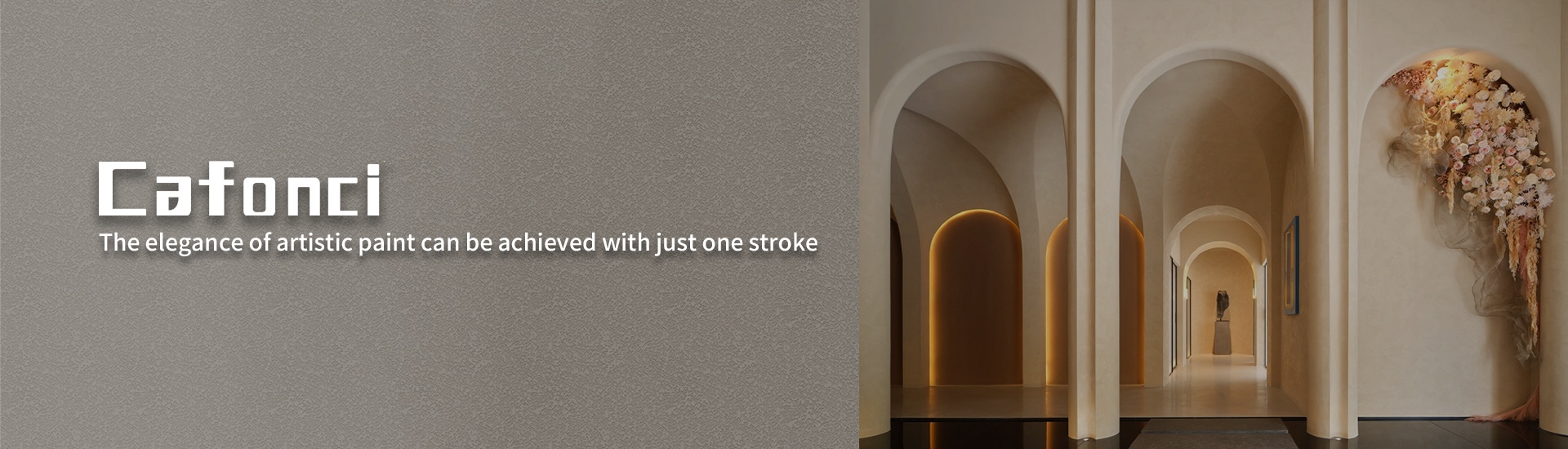
Texture is more than just a visual or tactile experience—it is a language, a storyteller, and a bridge between the past and present. Nowhere is this more vividly expressed than in Asian texture, a rich tapestry woven from millennia of tradition, natural abundance, and philosophical depth. From the intricate weaves of silk kimono to the weathered stones of Zen gardens, from the rough-hewn wood of ancient temples to the delicate patterns of hand-painted ceramics, Asian texture is a celebration of diversity, resilience, and beauty in imperfection.
#The Roots of Asian Texture: Tradition and Craft
At the heart of Asian texture lies the hands of artisans, whose skills have been passed down through generations. These crafts are not mere techniques but living traditions, each stitch, carve, or weave carrying cultural memory. Take, for example, China’s *yunjin* (cloud brocade), a silk fabric so intricate it was once reserved for emperors. Woven on wooden looms with golden and silver threads, its texture is a symphony of raised patterns—dragons, peonies, and clouds—that catch light and shadow, creating a tactile and visual feast. The process, which can take months to complete a single meter, results in a texture that is both luxurious and symbolic, with each thread representing prosperity and power.
In Japan, *sashiko* (little stabs) embroidery embodies a different kind of textural story. Born from necessity—farmers mending clothes with simple white thread on indigo fabric—it evolved into an art form where repeating geometric patterns (like *asanoha*, hemp leaves) create a raised, tactile surface. The texture here is humble yet intentional, a reflection of *mono no aware* (the pathos of things) and the beauty of impermanence. Similarly, India’s *kashmiri pashmina* shawls, woven from the undercoat of Himalayan goats, boast a texture so soft and airy it feels like “woven clouds.” The hand-spun yarn, dyed with natural pigments, gives each shawl a unique, slightly irregular texture that speaks to the labor of Kashmiri artisans and the region’s mountainous heritage.
#Natural Asian Textures: Earth, Water, and Sky
Asia’s landscapes—from snow-capped peaks to tropical jungles, from arid deserts to lush rice terraces—are a canvas of natural textures that have inspired art and life for centuries. Nowhere is this more evident than in Japan’s *kare-sansui* (dry landscape gardens), where carefully raked gravel mimics the texture of flowing water, and weathered stones stand in for mountains. The contrast between the smooth, cool surface of the stones and the granular, dynamic texture of the gravel creates a sensory experience that invites contemplation—a texture not just seen, but felt through the mind’s eye.
In China, the *Taihu stone* (Lake Tai stone) is revered in classical gardens for its “瘦、透、漏、皱” (thin, porous, hollow, wrinkled) texture. These limestone rocks, shaped by centuries of water erosion, have surfaces pockmarked with holes and creases, creating a texture that feels both ancient and alive. Garden designers place them to frame views, their uneven surfaces catching light and shadow to evoke the mystery of mountains. Similarly, Vietnam’s *rice terraces* in Sapa are a masterpiece of natural-human collaboration: the stepped fields, carved into hillsides, create a rhythmic, undulating texture that changes with the seasons—emerald green in summer, golden yellow in autumn, and a silvery sheen after rain.
Even everyday elements like bamboo, a staple across Asia, offer a distinctive texture. In Thailand, *bamboo weaving* is used to make baskets, mats, and even houses; the split bamboo strips, with their smooth inner surfaces and rough outer layers, interlock to form a texture that is both sturdy and flexible. In Indonesia, *rattan*—a close relative of bamboo—adds a warm, organic texture to furniture, its naturally twisted fibers creating patterns that feel both rustic and elegant.
#Modern Design: Asian Texture Reimagined
Asian texture is not confined to the past; it thrives in contemporary design, where artisans and designers reimagine traditional techniques for the modern world. One iconic example is Issey Miyake’s *Pleats Please* collection, which draws inspiration from Japan’s *shibori* (tie-dye) and *origami* (paper folding). By heat-setting polyester fabric into permanent褶皱 (pleats), Miyake created a texture that is bold, dynamic, and functional—wrinkles that never fade, moving with the body like a second skin. The texture here is not just aesthetic; it is a statement about resilience and adaptability.
In interior design, Asian texture has become a global trend, with designers embracing materials like *jute*, *sisal*, and *seagrass* for their earthy, organic feel. In Singapore, the *Parkroyal on Pickering* hotel features vertical gardens where climbing plants grow on concrete walls, blending the smooth texture of modern architecture with the lush, uneven texture of greenery—a nod to Southeast Asia’s tropical heritage. Similarly, Indian designer Sabyasachi Mukherjee incorporates *zardozi* (gold thread embroidery) into modern bridal wear, where the raised, metallic texture of the thread adds opulence to minimalist silhouettes, bridging tradition and contemporary style.
Even in digital art, Asian texture finds new expression. Digital artists like Takashi Murakami use traditional Japanese *ukiyo-e* (woodblock print) textures—bold lines, flat colors, and intricate patterns—to create vibrant, pop art-inspired works that feel both nostalgic and cutting-edge. The texture here, though digital, retains the warmth and depth of its analog roots.
#The Cultural Soul of Asian Texture: Symbolism and Philosophy
Beyond aesthetics, Asian texture carries deep cultural meaning, reflecting the region’s values, myths, and philosophies. In Hinduism, the *peacock feather*—with its iridescent, eye-like texture—is a symbol of beauty and protection, often used in textiles and jewelry to invoke the goddess Lakshmi. In Korea, *hanbok* (traditional clothing) features *sul* (embroidery) with patterns like *bonghwang* (phoenix) and *kirin* (mythical beast), their raised textures symbolizing prosperity and good fortune.
Perhaps the most profound philosophical connection to Asian texture is *wabi-sabi*—the Japanese concept of finding beauty in imperfection, impermanence, and simplicity. Wabi-sabi texture celebrates the “flaws” in materials: the uneven glaze on a ceramic bowl, the frayed edge of a linen napkin, the cracks in a wooden table. These textures are not mistakes but markers of time and use, telling stories of wear and care. A *raku* pottery piece, with its rough, smoky surface and intentional cracks, embodies this philosophy—its texture is a reminder that beauty lies not in perfection, but in authenticity.
In Chinese philosophy, the *yin-yang* concept is reflected in textural contrast: the softness of silk (yin) balanced by the hardness of jade (yang), the smoothness of porcelain (yin) paired with the roughness of terracotta (yang). This balance is seen in *Chinese calligraphy*, where the texture of the ink—thick and bold in some strokes, thin and wispy in others—creates a dynamic interplay of light and dark, movement and stillness.
#Conclusion: The Timeless Allure of Asian Texture
Asian texture is more than a visual or tactile experience; it is a window into the soul of a continent. It is the rustle of a silk kimono, the crunch of gravel in a Zen garden, the warmth of a hand-woven basket, and the quiet beauty of a cracked raku bowl. It connects the past and present, the natural and the human, the physical and the spiritual.
In a world increasingly dominated by smooth, mass-produced surfaces, Asian texture reminds us of the beauty in imperfection, the richness of tradition, and the power of texture to tell stories. It is a language that transcends borders, inviting us to slow down, touch, and feel—to appreciate the world not just with our eyes, but with our hands and hearts. As we continue to reimagine and celebrate Asian texture, we honor not just its aesthetic beauty, but the cultures, artisans, and philosophies that have shaped it for millennia.