English
 简体中文
简体中文
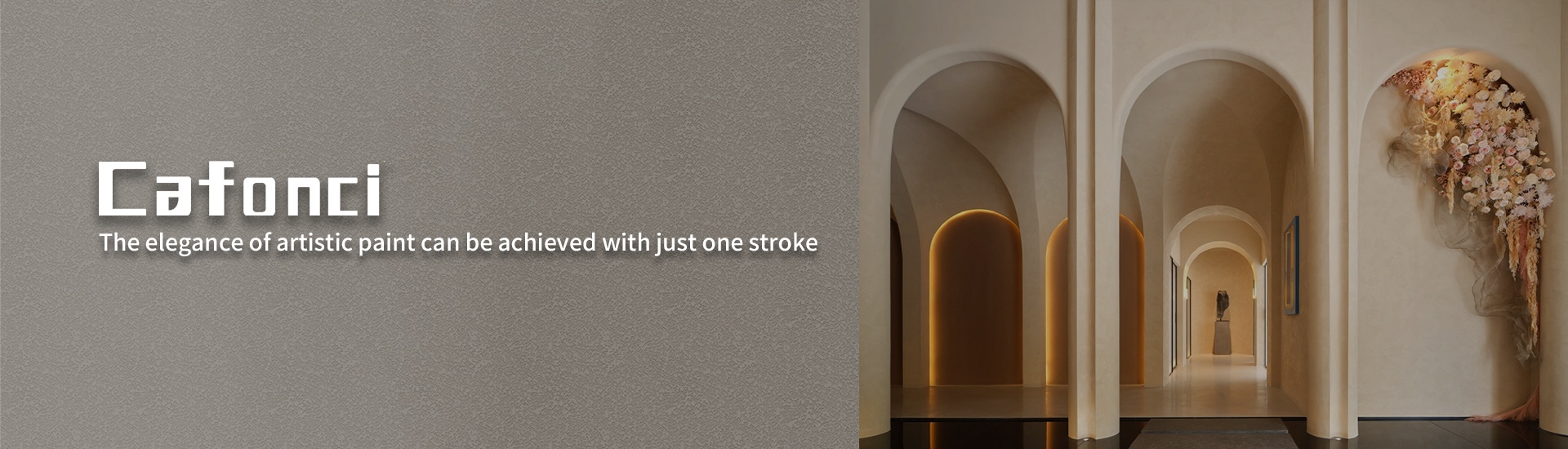
Concrete walls have become a staple in modern architecture, celebrated for their industrial charm and durability. However, their raw, often plain surface can feel cold or unfinished, leaving homeowners and designers seeking ways to elevate their aesthetic appeal. Enter textured paint for concrete walls—a versatile solution that combines functionality with visual interest. Unlike smooth乳胶漆, textured paint contains additives like sand, granules, or fibers, creating a three-dimensional surface that transforms drab concrete into a focal point. Whether you’re revamping an indoor accent wall or upgrading an outdoor patio, this guide will walk you through everything you need to know, from application steps to design inspiration.
First, let’s clarify what textured paint is. Unlike standard paint, which dries to a flat or satin finish, textured paint is formulated with particles (such as silica sand, perlite, or synthetic fibers) that add depth and texture. This composition not only enhances visual appeal but also improves practicality: the raised surface hides imperfections, boosts durability, and can even provide sound-dampening properties. For concrete walls—known for their porous, uneven texture—textured paint is particularly effective, as its thickness and adhesion prevent peeling and ensure long-lasting results.
Why choose textured paint for concrete walls specifically? Concrete is a porous material that absorbs moisture and paint unevenly, making it prone to cracking or flaking over time. Textured paint addresses these issues by forming a thick, flexible barrier that adheres strongly to concrete’s rough surface. Its textured finish also conceals minor cracks, dents, or discoloration, eliminating the need for extensive wall repairs. Additionally, many textured paints are designed to resist mold, mildew, and UV rays, making them suitable for both indoor and outdoor use—from basement walls to exterior facades.
When selecting textured paint for concrete, you’ll encounter several types, each suited to different styles and needs. Sand-textured paint is the most common, available in fine or coarse grit. Fine sand creates a subtle, smooth texture ideal for modern or minimalist spaces, while coarse sand adds bold depth, perfect for industrial or rustic themes. Stone-textured paint mimics natural石材 like limestone or granite, blending seamlessly with earthy decor. For a more artistic touch, 浮雕-textured paint (or “knockdown” texture) can be applied with a trowel to create patterns like waves, swirls, or geometric shapes. Finally, elastic textured paint contains flexible polymers that expand and contract with temperature changes, preventing cracks—ideal for outdoor concrete walls exposed to weather fluctuations.
Before applying textured paint, proper preparation is critical to ensure adhesion and a flawless finish. Start by cleaning the concrete surface thoroughly: remove dirt, dust, grease, or mildew using a pressure washer (for outdoor walls) or a scrub brush with mild detergent (for indoor). Allow the wall to dry completely—concrete retains moisture, which can cause paint to bubble if trapped. Next, repair any damage: fill cracks or holes with a concrete patching compound, and sand down rough spots to create a uniform base. Finally, apply a concrete-specific primer to seal the surface, block stains, and improve paint adhesion. Look for primers labeled “bonding primer” or “concrete sealer” to ensure compatibility with textured paint.
The application process for textured paint varies slightly by type, but the basic steps remain consistent. Begin by gathering tools: a heavy-duty roller (for large areas), a paintbrush (for edges and corners), a trowel or texture comb (for decorative patterns), and a bucket for mixing. If your paint requires thinning or mixing (check the manufacturer’s instructions), stir it thoroughly to distribute particles evenly—settling can cause uneven texture. Start with a base coat: apply a thin layer of textured paint to the wall, working in small sections (3x3 feet) to avoid drying before you can texture. For a uniform finish, use a roller with a thick nap (¾-inch or more) to push paint into concrete pores.
Once the base coat is applied, add texture while the paint is still wet. For sand-textured paint, simply roll over the wet surface with a textured roller—varying pressure creates different depths. For stone or浮雕 textures, use a trowel to apply thicker paint, then drag a comb or sponge through it to create patterns. Work quickly, as textured paint dries faster than standard paint. After applying, allow the first coat to dry completely (typically 24–48 hours, depending on humidity). If needed, apply a second coat to enhance texture or coverage, following the same technique.
The benefits of textured paint on concrete walls extend beyond aesthetics. Visually, it adds dimension and warmth, turning a flat surface into a dynamic element that complements any decor—whether you’re going for industrial chic, bohemian, or coastal vibes. Practically, it hides flaws: small cracks, uneven patches, or discoloration become unnoticeable under the textured surface. Durability is another key advantage: textured paint forms a tough layer that resists scratches, scuffs, and moisture,延长ing the life of your concrete walls. For outdoor spaces, it also provides slip resistance, making it safer for patios or pool surrounds.
Design inspiration abounds when working with textured paint. For a modern look, pair fine sand-textured paint in neutral tones (gray, beige, or white) with sleek furniture and metallic accents. Rustic spaces benefit from coarse sand or stone-textured paint in warm hues like terracotta or olive green, paired with wood elements. For a bold statement, try浮雕-textured paint in a deep color (navy, charcoal) on an accent wall, or use stencils to create geometric patterns over a textured base. Indoors, textured paint works well in living rooms, bedrooms, or home offices; outdoors, it elevates patios, garages, or garden walls.
Maintaining textured paint on concrete walls is simple. Regularly dust or vacuum the surface to prevent dirt buildup—use a soft brush attachment to avoid scratching the texture. For deeper cleaning, wipe with a damp cloth and mild soap; avoid harsh chemicals or abrasive sponges, which can wear down the paint. If the wall is outdoors, inspect it annually for chips or peeling, and touch up with matching textured paint as needed. With proper care, textured paint can last 5–10 years, making it a cost-effective investment in your space.
In conclusion, textured paint for concrete walls is more than a decorative choice—it’s a practical solution to enhance both the look and longevity of your walls. By choosing the right type, preparing the surface properly, and applying it with care, you can transform plain concrete into a textured masterpiece that reflects your style. Whether you’re a DIY enthusiast or hiring a professional, this guide equips you with the knowledge to achieve stunning results. Say goodbye to boring walls and hello to texture that wows.