English
 简体中文
简体中文
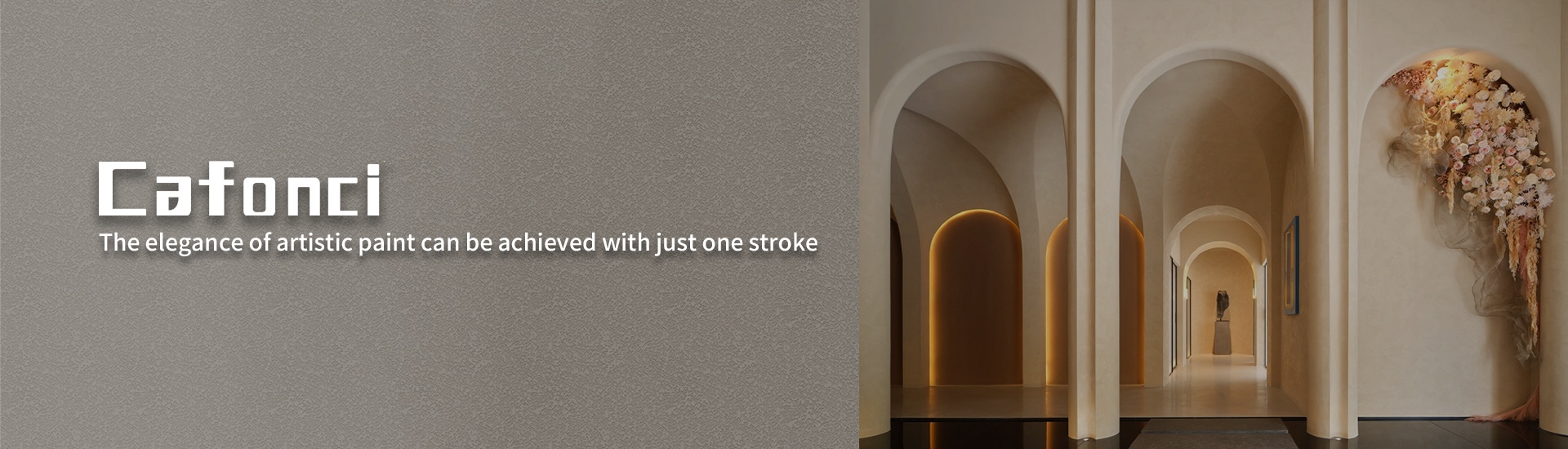
Concrete walls are a staple in many homes and commercial spaces, valued for their durability and structural strength. However, their plain, industrial appearance can often feel cold or uninviting. Enter textured paint for concrete walls—a versatile solution that combines functionality with aesthetic appeal, turning dull surfaces into visually striking focal points. Whether you’re renovating a basement, updating an outdoor patio, or refreshing an interior accent wall, textured paint offers endless possibilities to elevate your space.
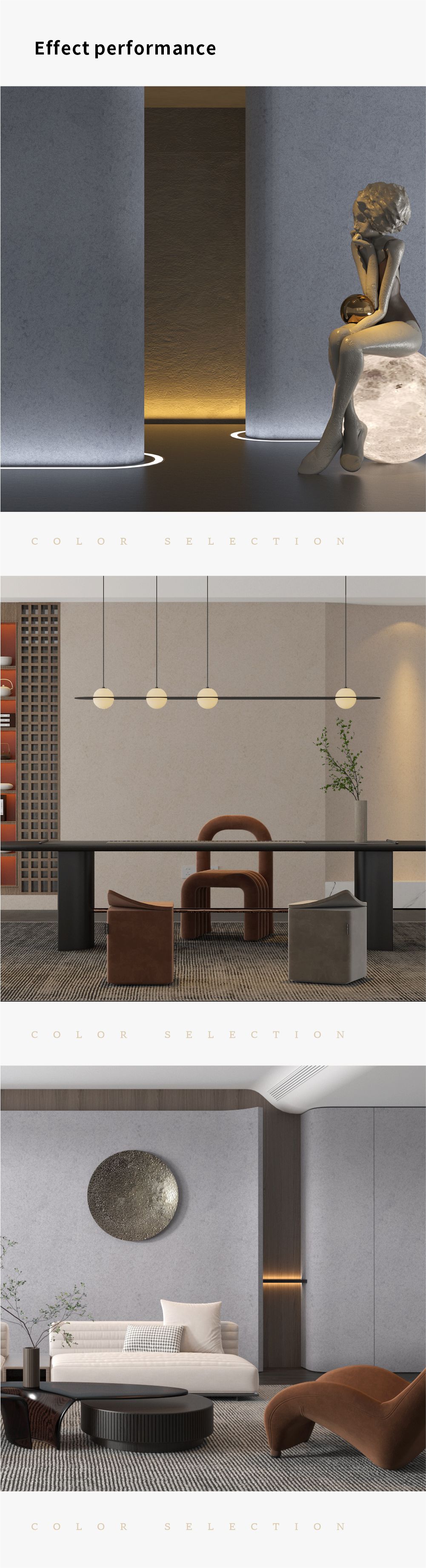
One of the primary advantages of using textured paint on concrete walls is its ability to conceal imperfections. Concrete surfaces are prone to cracks, unevenness, or discoloration over time, which can be difficult to hide with standard flat paint. The textured finish—whether subtle or bold—effectively masks these flaws, creating a smooth, uniform look. Additionally, textured paint adds depth and dimension, making the wall feel more dynamic. Unlike flat paint, which reflects light uniformly, textured paint scatters light, creating shadows and highlights that add visual interest. Durability is another key benefit. Most textured paints are formulated with tough binders and additives that resist chipping, peeling, and wear, making them ideal for high-traffic areas like hallways, garages, or children’s rooms. Outdoor concrete walls, exposed to rain, UV rays, and temperature fluctuations, also benefit from textured paint’s weather-resistant properties, which help prevent moisture penetration and fading.
Textured paint for concrete walls comes in several types, each designed to achieve specific looks and meet different needs. Sand-based textured paint is among the most popular, containing fine or coarse sand particles that create a gritty, tactile finish. It’s perfect for achieving a rustic, earthy vibe or a modern, industrial edge, depending on the sand grain size. For a softer, more organic texture, consider aggregate textured paint, which includes larger particles like pebbles or crushed stone, adding a three-dimensional effect that mimics natural stone or stucco. Elastic textured paint is another option, formulated with flexible polymers that allow the paint to expand and contract with temperature changes, reducing the risk of cracking—ideal for outdoor walls or areas with frequent temperature shifts. Patterned textured paint, applied with specialized tools like sponges or trowels, can create designs such as waves, stipples, or geometric patterns, offering a custom, artistic touch for accent walls.
Applying textured paint to concrete walls requires careful preparation to ensure adhesion and longevity. Start by cleaning the surface thoroughly. Concrete is porous and tends to accumulate dust, dirt, and grease, which can prevent paint from bonding. Use a stiff brush, mild detergent, and water to scrub the wall, then rinse with clean water and allow it to dry completely—typically 24 to 48 hours. Next, repair any cracks or holes with a concrete patching compound. Smooth the compound with a putty knife, let it dry, and sand lightly to create a level surface. Once the wall is clean and repaired, apply a concrete primer. Primer helps seal the porous concrete, preventing the paint from soaking in unevenly and improving adhesion. Choose a primer specifically designed for concrete, and apply it with a roller or brush, following the manufacturer’s drying instructions (usually 4 to 6 hours).
When applying the textured paint, the technique depends on the desired finish. For sand-based or aggregate paints, a thick-nap roller (3/4 inch or larger) works well to distribute the textured particles evenly. Load the roller with paint, then apply in thin, even coats—avoid overloading, as this can cause drips or uneven texture. For patterned textures, use tools like sponges, trowels, or texture brushes to create designs while the paint is still wet. Allow the first coat to dry completely (check the paint can for drying times, often 6 to 8 hours), then apply a second coat for full coverage and depth.
Maintaining textured painted concrete walls is simple, ensuring long-lasting beauty. Regular dusting with a soft brush or vacuum attachment will keep the surface clean, preventing dirt from settling into the texture. For deeper cleaning, wipe the wall with a damp cloth and mild soap, avoiding harsh abrasives that can scratch the paint. Outdoor walls may require occasional rinsing with a garden hose to remove dirt and mildew—if mildew appears, use a solution of water and vinegar (or a mildew-resistant cleaner) and scrub gently with a soft brush. Inspect the paint annually for signs of wear, such as chipping or fading, and touch up with a small amount of textured paint to maintain its appearance. With proper care, textured paint on concrete walls can last 5 to 10 years or more, making it a cost-effective investment in your space’s aesthetics.
Textured paint for concrete walls is more than just a coating—it’s a design tool that balances practicality and style. By concealing flaws, adding visual interest, and enhancing durability, it transforms ordinary concrete into a statement-making feature. With a range of types to suit every taste and step-by-step application guidance, achieving a professional-looking finish is within reach for DIY enthusiasts and professionals alike. Whether you prefer a subtle sand texture or a bold, patterned design, textured paint offers a versatile way to make your concrete walls work for you—combining strength with beauty to create spaces that are both functional and visually captivating.