English
 简体中文
简体中文
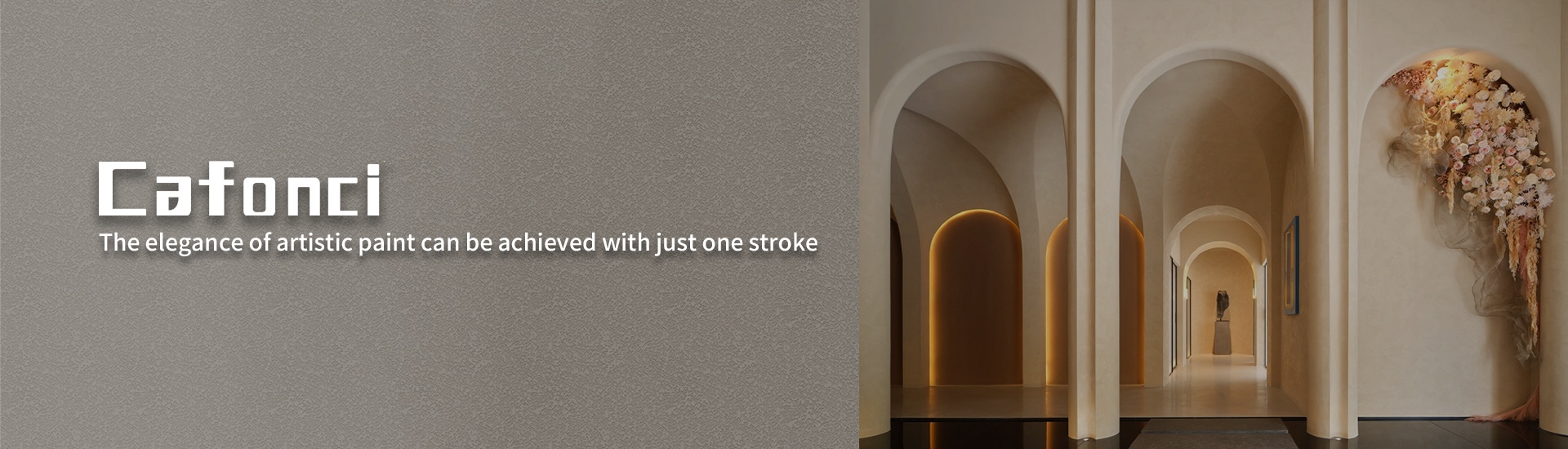
Textured external wall coatings have emerged as a transformative solution in the construction and design industry, blending visual appeal with functional performance to redefine building exteriors. Unlike flat, monotonous paints, these coatings feature three-dimensional patterns and textures—ranging from subtle sand-like finishes to bold stone or stucco imitations—creating depth and character that elevate a structure’s curb appeal. Beyond aesthetics, they serve as a protective barrier, shielding walls from harsh weather conditions, UV radiation, and daily wear, making them a popular choice for both residential and commercial projects.

#The Multifaceted Benefits of Textured Coatings
One of the primary advantages of textured external wall coatings is their ability to enhance a building’s aesthetic versatility. Architects and homeowners can choose from an array of textures, such as *sand-finish*, *knockdown*, *stucco*, or *stone-effect*, to align with diverse architectural styles—from modern minimalist to rustic traditional. For instance, a sleek sand-textured coating complements contemporary homes with clean lines, while a rough-hewn stone texture adds warmth to cottage-style buildings. This flexibility allows for customization, ensuring the exterior reflects the property’s unique identity.
Durability is another key selling point. High-quality textured coatings are formulated to withstand the elements, including heavy rain, strong winds, extreme temperatures, and prolonged sun exposure. Their thick, textured composition creates a robust layer that resists cracking, peeling, and fading, extending the lifespan of the exterior walls. Unlike traditional paint, which may require repainting every 3–5 years, well-applied textured coatings can last 10–15 years with minimal maintenance, reducing long-term upkeep costs.
Waterproofing and moisture resistance are critical functional benefits. Many textured coatings are engineered with hydrophobic properties, preventing water penetration that can lead to structural damage, mold growth, or rot. This is especially valuable in regions with high rainfall or humidity, where moisture-related issues are common. Additionally, their textured surface minimizes water pooling, allowing rainwater to run off efficiently, further protecting the underlying wall structure.
#Materials and Formulations: Choosing the Right Coating
Textured external wall coatings are available in several material types, each tailored to specific needs and environments:
- Acrylic-Based Coatings: Known for their flexibility and vibrant color retention, acrylic coatings are ideal for moderate climates. They dry quickly, adhere well to most surfaces (concrete, brick, plaster), and offer a wide range of texture options. Their elasticity helps prevent cracking due to thermal expansion, making them suitable for buildings with minor structural movement.
- Silicone-Modified Coatings: Designed for extreme weather resistance, silicone coatings excel in areas with intense UV radiation, heavy rainfall, or temperature fluctuations. They form a breathable barrier that allows moisture vapor to escape, reducing the risk of blistering, while their high durability ensures long-term color and texture stability.
- Cement-Based Coatings: A staple in traditional and rustic designs, cement-based textures (e.g., stucco) provide a rigid, stone-like finish. They are highly durable, fire-resistant, and compatible with masonry surfaces, making them a preferred choice for historical renovations or buildings aiming for a timeless, earthy look.
- Polyurethane Coatings: Offering exceptional impact resistance, polyurethane textures are often used in high-traffic commercial areas or industrial settings. They can mimic the feel of leather, wood, or even metal, adding a unique tactile element to exteriors.
#Applications Across Building Types
Textured external wall coatings are versatile enough to enhance various building categories:
- Residential Properties: For homeowners, these coatings boost curb appeal, increasing property value. A well-chosen texture can mask minor wall imperfections (e.g., cracks, uneven surfaces) while reflecting personal style—whether a cozy suburban home with a sand-textured finish or a modern urban townhouse with a sleek, polished stone effect.
- Commercial Buildings: Retail stores, hotels, and corporate offices use textured coatings to reinforce brand identity. A luxury hotel might opt for a marble-like texture to convey elegance, while a tech company could choose a smooth, metallic-textured finish to emphasize innovation. The durability of these coatings also reduces maintenance downtime, critical for busy commercial spaces.
- Historical and Heritage Structures: When restoring older buildings, textured coatings play a dual role: preserving architectural integrity while adding modern protection. Specialized formulations can replicate traditional materials like limewash or terracotta, ensuring the structure retains its historical charm without compromising on longevity.
#Key Considerations for Successful Application
While textured coatings offer numerous benefits, their performance depends heavily on proper installation. Here are essential steps for optimal results:
1. Surface Preparation: The wall must be clean, dry, and free of dust, grease, or loose debris. Cracks, holes, or uneven areas should be repaired with a suitable filler, and glossy surfaces may need sanding to improve adhesion.
2. Primer Application: A high-quality primer tailored to the coating type (e.g., acrylic primer for acrylic coatings) ensures strong bonding between the wall and the texture, preventing peeling and enhancing durability.
3. Coating Application: Depending on the texture, application methods vary—brushing, rolling, or spraying with specialized tools (e.g., texture guns for stucco effects). It’s crucial to follow manufacturer guidelines for thickness (typically 1–3 mm) and drying time to avoid clumping or unevenness.
4. Finishing Touches: Some coatings may require a topcoat for added protection or sheen. Clear sealants can also be applied to enhance water resistance and color retention, especially in high-moisture areas.
#Emerging Trends Shaping the Industry
As sustainability and innovation take center stage, the textured external wall coatings market is evolving to meet modern demands:
- Eco-Friendly Formulations: Low-VOC (volatile organic compound) and zero-VOC coatings are gaining traction, reducing environmental impact and improving indoor air quality (important for buildings with shared ventilation systems). Manufacturers are also exploring bio-based materials, such as plant-derived resins, to align with green building certifications like LEED.
- Energy Efficiency: Textured coatings with integrated thermal insulation properties are becoming popular. These “cool coatings” reflect solar heat, reducing indoor cooling costs and mitigating the urban heat island effect—a critical feature for sustainable cities.
- Smart and Self-Maintaining Coatings: Innovations like self-cleaning textures (coated with photocatalytic agents that break down dirt when exposed to sunlight) and humidity-responsive coatings (which adjust texture to regulate moisture) are transforming exterior maintenance. These technologies minimize the need for manual cleaning, making buildings more cost-effective to manage long-term.
#Conclusion
Textured external wall coatings represent a perfect synergy of form and function, offering architects, builders, and homeowners a tool to create visually striking, long-lasting exteriors. From enhancing aesthetics to protecting against the elements, their versatility makes them suitable for projects of all scales and styles. As the industry continues to innovate, with a focus on sustainability and smart technology, textured coatings will undoubtedly remain at the forefront of modern building design, proving that beauty and durability can indeed go hand in hand.