English
 简体中文
简体中文
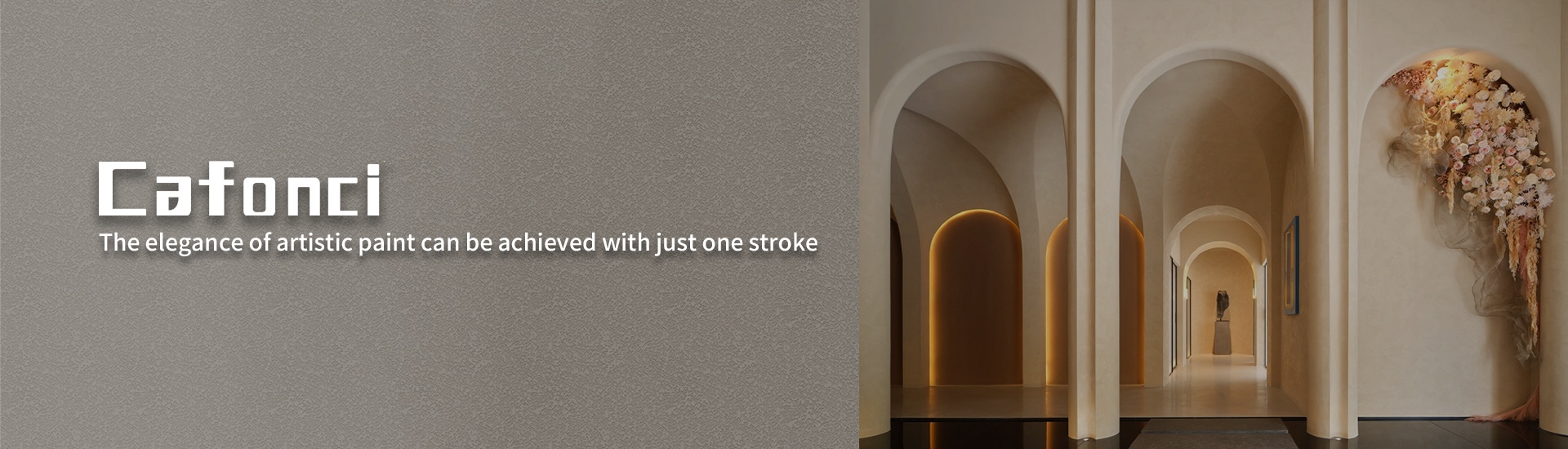
Exterior walls serve as the first line of defense for any building, shielding it from harsh weather conditions, UV radiation, and environmental pollutants while also contributing significantly to its overall visual appeal. In recent years, textured coating for exterior walls has emerged as a popular choice among homeowners, architects, and contractors, thanks to its unique blend of functional benefits and decorative versatility. Unlike traditional flat paints, textured coatings create a three-dimensional surface with distinct patterns—from subtle sand-like grains to bold (relief) designs—making them a dynamic solution for both protecting and enhancing exterior surfaces.
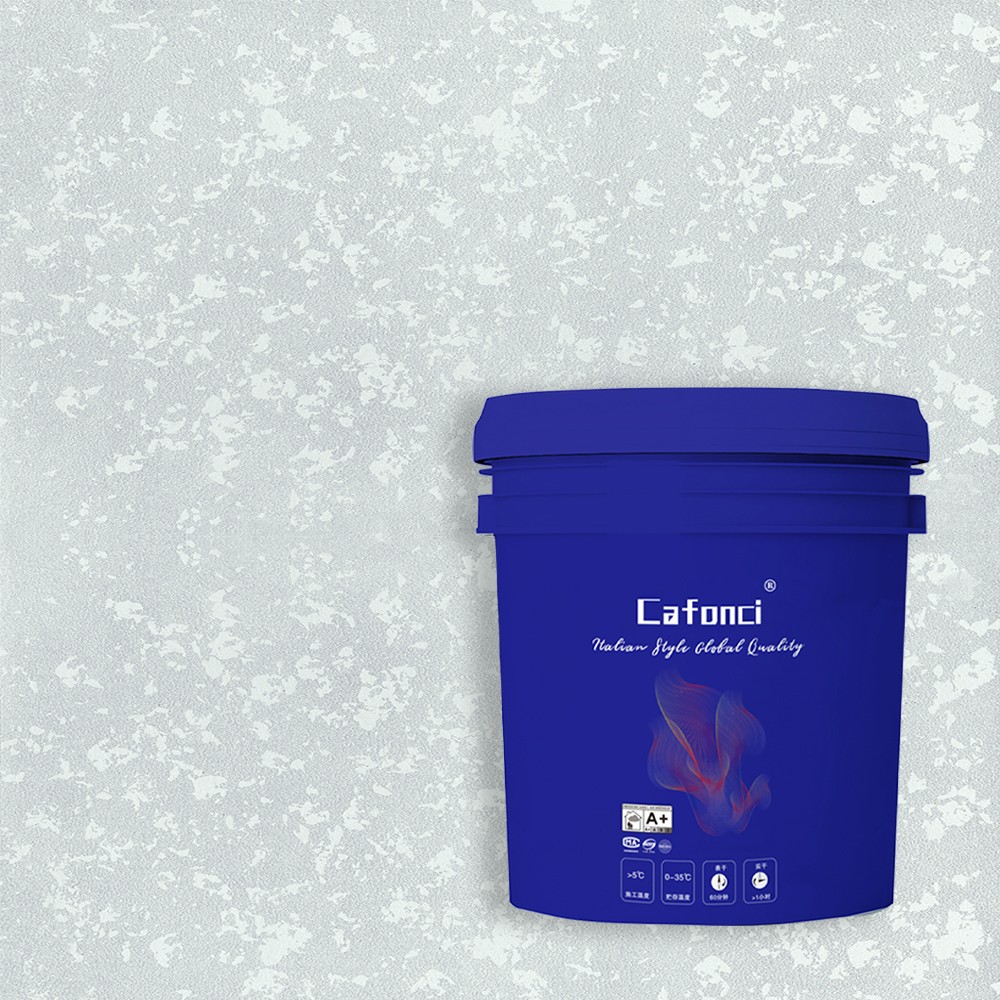
#What Is Textured Coating for Exterior Walls?
Textured coating is a specialized paint formulation designed to produce a textured or patterned finish when applied to exterior walls. It typically consists of a base binder (such as acrylic, silicone, or polyurethane) mixed with aggregates (like sand, stone chips, or ceramic beads) or additives that create texture upon drying. The key distinction from regular paint lies in its thickness and the inclusion of these textural elements, which not only alter the wall’s appearance but also enhance its physical performance. Depending on the desired effect, textured coatings can mimic natural materials like stone, brick, or wood, or create custom patterns that reflect architectural styles, from modern minimalism to rustic charm.
#Types of Exterior Textured Coatings
The versatility of textured coatings is further expanded by the variety of types available, each tailored to specific aesthetic and functional needs:
1. Sand Texture Coatings: The most common type, sand texture coatings contain fine to coarse sand particles suspended in the binder. They create a matte, granular finish that hides minor surface imperfections and adds subtle depth. Ideal for residential homes, they are easy to apply and available in a wide range of colors, making them a budget-friendly option for homeowners seeking a low-maintenance upgrade.
2. 浮雕 (Relief) Coatings: These coatings use thicker aggregates or specialized tools to create raised patterns, such as geometric shapes, floral motifs, or simulated brickwork. Relief coatings are often used in commercial buildings or statement walls, as their bold textures make a strong visual impact. They require skilled application but offer exceptional durability and can be customized to match brand identities or architectural themes.
3. 真石漆 (Stone-Look Coatings): Also known as “stucco-look” or “natural stone coatings,” these products blend crushed stone or marble chips with a binder to replicate the appearance of natural stone. They are highly realistic, resistant to fading, and provide excellent protection against moisture and impact. Popular in luxury homes and heritage building restorations, stone-look coatings add timeless elegance while reducing the weight and cost of actual stone cladding.
4. Elastomeric Textured Coatings: Formulated with flexible polymers, elastomeric coatings expand and contract with temperature changes, preventing cracks and improving water resistance. They are particularly suitable for regions with extreme weather—such as areas prone to heavy rain, snow, or thermal cycling—and are often used on concrete or masonry walls that may experience minor structural movement.
#Key Benefits of Textured Coating for Exterior Walls
Beyond their visual appeal, textured coatings offer a range of practical advantages that make them a superior choice for exterior applications:
- Enhanced Durability: The thick, textured layer acts as a protective barrier against environmental stressors. Aggregates and binders resist chipping, peeling, and fading caused by UV rays, while the texture itself minimizes the visibility of wear and tear over time. Many high-quality textured coatings have a lifespan of 10–15 years with proper maintenance, outperforming traditional paints.
- Improved Weather Resistance: Most textured coatings are engineered to repel water, preventing moisture penetration that can lead to mold, mildew, or structural damage. Elastomeric variants go a step further by sealing cracks and adapting to temperature fluctuations, making them ideal for humid or freeze-thaw climates.
- Aesthetic Versatility: With endless texture options—from smooth sand to rugged stone—and customizable colors, textured coatings allow designers to align exterior finishes with architectural styles. Whether aiming for a contemporary, industrial look or a classic, cottage-inspired vibe, there is a textured coating to suit every vision.
- Concealment of Imperfections: Unlike flat paints, which highlight wall irregularities like cracks, dents, or uneven surfaces, textured coatings obscure these flaws. This makes them an excellent choice for older buildings or walls with minor damage, reducing the need for extensive pre-painting repairs.
- Energy Efficiency: Some textured coatings, especially those with insulating additives or thick application, can enhance a building’s thermal performance by reducing heat transfer through the walls. This helps lower heating and cooling costs, making them a sustainable choice for eco-conscious property owners.
#Application and Installation Best Practices
To maximize the performance and longevity of exterior textured coatings, proper application is critical. Here are key steps to ensure a successful outcome:
1. Surface Preparation: The wall must be clean, dry, and structurally sound before application. Remove dirt, dust, mold, or loose paint using pressure washing or sandblasting. Repair cracks, holes, or uneven areas with a suitable filler, and allow the surface to cure completely. For porous substrates like concrete or brick, apply a primer to improve adhesion and prevent moisture absorption.
2. Primer Selection: Choose a primer compatible with both the substrate and the textured coating. For masonry walls, use a masonry primer; for wood, opt for an acrylic-based primer. Priming ensures uniform coverage and prevents the coating from soaking into the substrate, which can cause discoloration or uneven texture.
3. Tool and Technique: Depending on the coating type, application tools may include spray guns, trowels, rollers, or specialized texture brushes. Sand texture coatings are often applied with a roller or sprayer, while relief coatings require trowels or stencils to create patterns. Work in small sections to maintain consistency, and follow the manufacturer’s guidelines for thickness—typically 1–3 mm for sand textures and up to 5 mm for浮雕 designs.
4. Drying and Curing: Allow each coat to dry thoroughly before applying additional layers. Drying times vary by product and weather conditions (humidity, temperature, and airflow), but most textured coatings require 24–48 hours between coats. Full curing may take 7–14 days, during which the wall should be protected from rain or heavy moisture.
#Choosing the Right Textured Coating for Your Project
Selecting the ideal textured coating involves considering several factors, including climate, architectural style, and budget:
- Climate Adaptability: In rainy regions, prioritize water-resistant coatings with high elasticity (e.g., elastomeric variants). For areas with intense sunlight, choose UV-stable formulations to prevent fading. Cold climates may require coatings with freeze-thaw resistance to avoid cracking.
- Architectural Harmony: Match the texture to the building’s style. Modern homes often suit sleek sand textures or subtle浮雕 patterns, while rustic or Mediterranean designs pair well with stone-look coatings. Historic buildings may benefit from lime-based textured coatings that complement traditional materials.
- Budget Considerations: Sand texture coatings are generally the most affordable, while stone-look or custom浮雕 coatings are higher in cost due to materials and labor. Balance upfront expenses with long-term savings—investing in a premium, durable coating can reduce maintenance costs over time.
- Brand and Quality: Opt for reputable brands with proven performance records. Look for certifications such as low-VOC (volatile organic compounds) for eco-friendliness, or third-party testing for weather resistance. Reading customer reviews and consulting with contractors can also help identify reliable products.
#Maintenance and Longevity
With proper care, exterior textured coatings can last 10–15 years or more. Routine maintenance includes:
- Regular Cleaning: Rinse the walls annually with a low-pressure washer to remove dirt, dust, or mildew. Avoid harsh chemicals that may damage the texture.
- Inspection and Repairs: Check for cracks, peeling, or discoloration yearly. Small areas of damage can be patched with touch-up coating, while larger issues may require professional recoating.
- Gutter and Drainage Maintenance: Ensure gutters and downspouts direct water away from the walls to prevent moisture buildup, which can degrade the coating over time.
#Conclusion
Textured coating for exterior walls is more than just a decorative choice—it is a functional investment that enhances a building’s durability, energy efficiency, and curb appeal. By combining protective properties with customizable aesthetics, it addresses the dual needs of shielding the structure from the elements and reflecting the owner’s style. Whether you are renovating a home, designing a commercial space, or restoring a historic building, textured coatings offer a versatile, long-lasting solution that stands the test of time. With careful selection, proper application, and regular maintenance, they transform exterior walls into both a shield and a statement.