English
 简体中文
简体中文
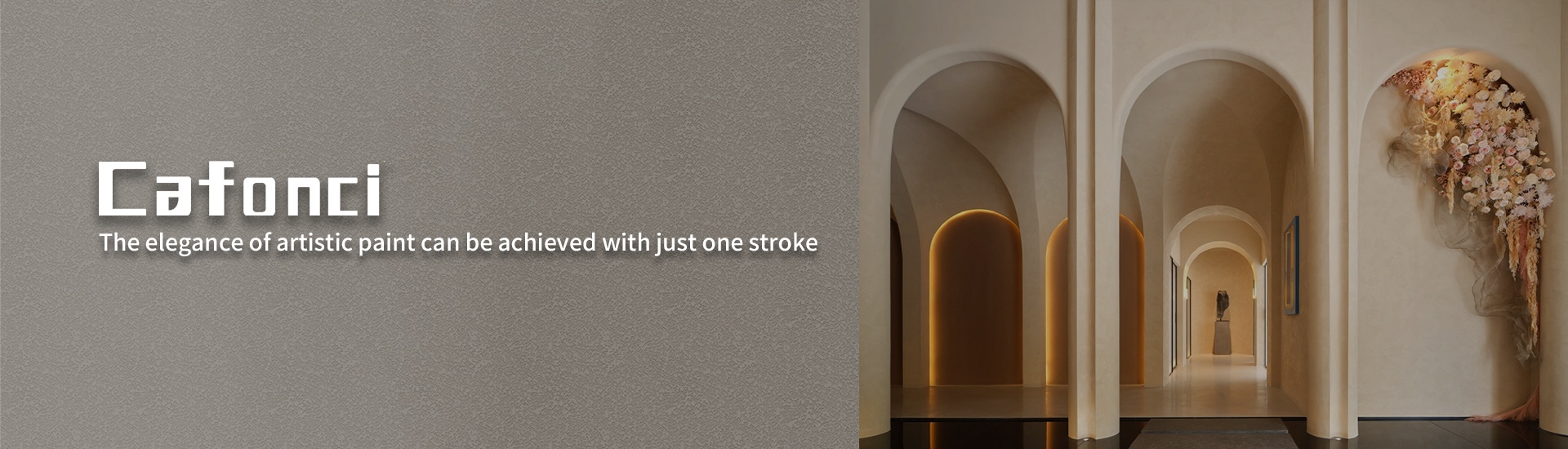
.jpg "5EasyInteriorPaintingHacksThat’llTransformYourHomeinaWeekend(Image1)")
Looking to give your home a quick refresh without committing to a full remodel? Interior painting is your answer—and you don’t need to be a professional to pull off stunning results. These five easy hacks will help you transform your space in just a weekend, with minimal effort and maximum impact.
First up: Geometric Patterns with Painter’s Tape. This hack is perfect for adding modern flair to any room, and it’s surprisingly simple. Start by choosing two complementary colors—think soft sage and deep forest green for a calming vibe, or blush and charcoal for a bold contrast. Paint the entire wall with your base color first and let it dry completely (this usually takes 2-4 hours). Next, use a pencil and ruler to sketch your pattern—菱形 (diamonds), stripes, or chevron work well. Apply painter’s tape along the lines, pressing firmly to avoid paint bleeding. Then, paint over the taped sections with your second color. The key trick? Remove the tape while the paint is still slightly wet—this prevents the base color from peeling off with the tape. Try this on a living room accent wall or a bedroom headboard for an instant focal point.
Next, Textured Walls with Sponges or Rollers. Flat walls can feel dull, but texture adds depth and warmth without breaking the bank. For a rustic “stucco” effect, grab a natural sea sponge and a base color like warm beige. Paint the wall with the base color first, then mix a darker shade (like taupe) with a small amount of texture medium (you can find this at any hardware store) or use plain paint. Dab the sponge onto the wall in random, overlapping motions—don’t worry about being perfect; imperfection is what makes it look natural. For a more contemporary look, use a high-nap roller (1-inch or thicker) to create subtle ridges. Roll the paint onto the wall in short, uneven strokes—this mimics the look of suede. This hack works wonders in dining rooms or entryways, where texture can make a small space feel cozier.
Third: Ombre Accent Walls. Ombre (gradually blending one color into another) is trending for good reason—it’s calming, visually interesting, and easy to DIY. Pick three shades of the same color: light, medium, and dark. Start by painting the entire wall with the medium shade—this acts as your “transition” color. Then, mix the light shade with a bit of white paint and apply it to the top 1/3 of the wall. Use a clean sponge to blend the edge where the light and medium colors meet—wipe in circular motions to soften the line. Next, mix the dark shade with a touch of black (or use the pure dark shade) and paint the bottom 1/3 of the wall. Blend again with the sponge to create a seamless fade. Try this in a bedroom with shades of blue (from navy to sky blue) for a serene feel, or in a bathroom with greens (from forest to mint) to mimic nature.
Fourth: Refresh Old Furniture with a Coat of Paint. Why buy new furniture when you can give old pieces new life? This hack is budget-friendly and satisfying—plus, it’s a great way to upcycle. Start with a piece like an old wooden dresser or dining chair. Sand the surface lightly with 120-grit sandpaper to remove any gloss or chipped paint (this helps the new paint adhere better). Apply a primer—use gray primer for dark wood or white for light wood—and let it dry. Then, paint with a semi-gloss or matte finish: semi-gloss is easy to clean (great for dressers!), while matte gives a modern, muted look. Want to add extra charm? Use painter’s tape to add stripes to the drawer fronts or sand the edges slightly to create a “distressed” vintage look. An old oak dresser can become a statement piece with a coat of emerald green paint and gold hardware—trust us, your guests won’t believe it’s thrifted.
Fifth: Stenciled Designs for a Custom Touch. Stencils are perfect for small spaces like hallways, bathrooms, or kids’ rooms—they add personality without overwhelming the area. Choose a stencil pattern that fits your style: floral for a romantic bathroom, stars for a kid’s bedroom, or geometric shapes for a modern entryway. Paint the base color first (we love soft gray for a neutral backdrop) and let it dry. Secure the stencil to the wall with tape, then use a stencil brush or sponge to apply paint—tap gently instead of brushing to avoid bleeding. Move the stencil across the wall, aligning the pattern as you go. For an extra pop, use metallic paint (gold or copper) on the stencil—this adds a touch of luxury without being flashy.
By the end of the weekend, you’ll have a home that feels brand new—and you’ll have done it all yourself. The best part? These hacks use basic supplies you can find at any hardware store: painter’s tape, sponges, rollers, and a few cans of paint. Remember to prep your surfaces first—clean walls with a damp cloth to remove dust, and sand furniture lightly to help paint stick. And don’t rush—taking your time with taping or blending will make all the difference.
Whether you’re looking to add modern patterns, cozy texture, or a pop of color, these hacks prove that anyone can be a weekend painter. Grab your brush, pick a hack, and get ready to fall in love with your home all over again!