English
 简体中文
简体中文
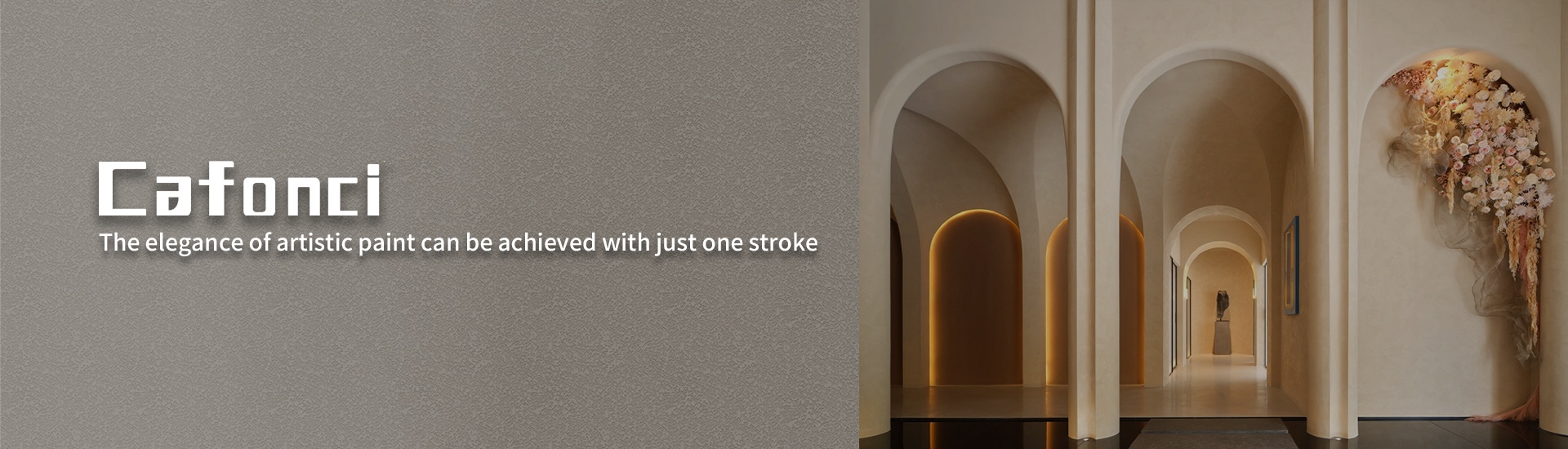
.jpg "HowInteriorPaintingCanTurnYourHouseIntoaCozy,PersonalSanctuary(Image1)")
In the chaos of modern life—endless work emails, traffic jams, and the constant buzz of notifications—we crave a space that feels like a hug. A place where we can exhale, bare our true selves, and forget the world for a little while. For many, that space is home—but not just any home. A home that feels *like you*. And one of the most powerful, accessible ways to turn a house into that kind of sanctuary? Interior painting.
Painting isn’t just about covering walls with color. It’s about translating emotions, memories, and personality into a physical space. It’s about turning a blank canvas into a story—your story. Let’s explore how this simple act can rewrite the feel of your home from “functional” to “forever cozy.”
The Emotional Power of Color
Color is the first language of our spaces. It doesn’t just *look* a certain way—it *feels* a certain way. When you choose colors for your walls, you’re not just picking a shade from a swatch; you’re curating an emotional response.
Warm, muted tones are the unsung heroes of cozy spaces. Think soft beiges that mimic sun-warmed sand, gentle taupes that feel like a favorite sweater, or pale pinks that evoke the calm of a sunrise. These hues don’t shout—they *invite*. They wrap around you like a blanket, making even a large room feel intimate. But color’s magic goes deeper than trends. It’s about *personal resonance*. Maybe a light sage green in the bedroom reminds you of the forest hike where you proposed. Or a dusty blue in the kitchen takes you back to the beach house where you spent summers as a kid. When you paint with colors that carry meaning, every glance at the wall becomes a little dose of joy.
Texture: The Unseen Comfort
Color is what you see—but texture is what you *feel*. Flat, glossy paint might look sleek, but it can feel cold and impersonal. Cozy spaces need texture—something that invites touch, that softens the edges of a room.
Matte finishes are a game-changer. They absorb light instead of reflecting it, creating a soft, diffused glow that feels like natural sunlight through a cloud. No harsh glares, no stark contrasts—just gentle warmth. For an extra layer of comfort, try textured paints: limewash for a worn, old-world feel; suede finishes that feel like velvet to the eye; or even a simple “drag” technique with a brush to add subtle lines. These textures don’t just look good—they make the room feel *lived-in*, like it’s been there forever, waiting for you.
Space as a Storyteller
Cozy doesn’t mean cramped. It means a space that *fits* you. Interior painting can reshape how you experience a room—even without knocking down walls.
Small rooms? Light, warm colors (like a soft cream or pale peach) can make them feel open without sacrificing coziness. Pair that with a darker accent wall (say, a deep terracotta behind the bed) to add depth and keep the space from feeling flat. Big, empty rooms? Darker hues (navy blue, forest green) can “wrap” around you, turning a cavernous living room into a snug nook. The key is balance: use color to guide the eye, to highlight what you love, and to hide what you don’t. A narrow hallway? Paint the end wall a warm color to draw you forward, making it feel shorter and more inviting. A high ceiling? Paint the ceiling a shade darker than the walls to bring it down, creating a cozy, cave-like feel.
Details That Whisper “Home”
It’s the little things that turn a house into a sanctuary. Interior painting isn’t just about walls—it’s about the edges, the corners, the parts you touch every day.
Paint your doorframes a soft white that contrasts with the wall color—suddenly, opening a door feels like stepping into a new, welcoming space. Brush your踢脚线 with a dark brown that matches your coffee table—tiny, but it ties the room together. Even your light switches: a pop of color (like a burnt orange or mustard yellow) can make a mundane task feel fun. And don’t forget accent walls—they’re like a focal point for your personality. A gallery wall is great, but a wall painted with a subtle pattern (stripes, stencils, or even a hand-painted motif) is *you*. It’s a conversation starter, a memory keeper, a little piece of art that’s always there.
The Joy of DIY (and Imperfection)
You don’t need to be a pro to paint your home. In fact, the best cozy spaces often have a little “imperfection”—a brushstroke that’s slightly uneven, a corner that’s a little darker. Those flaws are where the magic lives.
Painting yourself is a form of self-care. It’s slow, intentional work. You’re not just applying paint—you’re applying *time*. Time to think, to remember, to dream. When you paint your bedroom wall at 8 PM on a Saturday, with music playing and a glass of wine nearby, you’re infusing that wall with your energy. And when you step back and see the finished product? It’s not just a wall. It’s a reminder that you created something. That you took care of yourself. That this space is *yours*.
Conclusion: From House to Sanctuary
Interior painting isn’t about making your home “perfect.” It’s about making it *yours*. It’s about turning a structure into a story, a space into a feeling. When you paint with color that matters, texture that feels good, and details that whisper “home,” you’re not just decorating—you’re building a sanctuary.
The next time you look at a blank wall, don’t see a chore. See an opportunity. An opportunity to bring warmth into your life, to hold onto memories, to create a place where you can be exactly who you are. Because at the end of the day, a cozy, personal sanctuary isn’t about the paint. It’s about the love you put into it. And that’s the kind of magic that lasts.